

Most people looking for AI tools end up on a Reddit thread from eight months ago, a YouTube video loaded with affiliate links, or a blog post that hasn't been touched since GPT-3 was considered impressive. There's a smarter way to do this — and AI tool directories are exactly that.
This piece breaks down what curated AI databases actually offer, who gets the most value from them, what separates the good ones from the junky ones, and how to use them to build a real tool stack without burning hours on dead ends.
The Problem With “Just Googling” for AI Tools
Type “best AI writing tool” into Google and here's what you get: sponsored results, affiliate-heavy roundups written in 2023, and tools that either pivoted, shut down, or quietly tripled their pricing since that article went live.
The real issues at play:
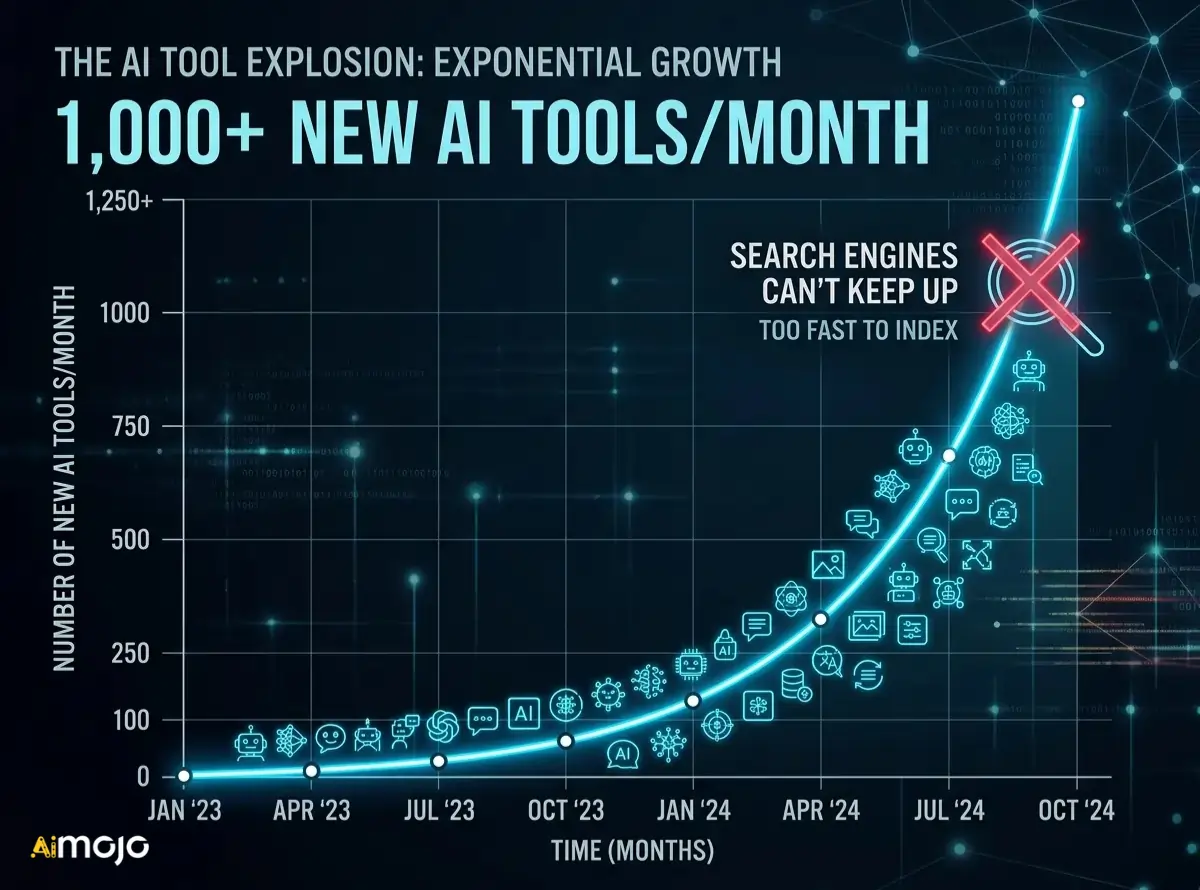
Random search is noise. AI tool directories are signal.
What a Curated AI Directory Actually Does Differently
A proper AI software directory isn't just a list with links. It's a structured database with real editorial or algorithmic standards behind every listing.
Here's what separates a curated AI tools database from a random blog list:
The difference is context. A curated database gives you enough to make a real decision, not just a name and a clickable logo.
Who Uses AI Directories — and Why It Matters to Each of Them

Different people use AI tool discovery platforms for very different reasons:
The Anatomy of a Good AI Tool Directory
Not every AI directory is worth your time. The ones that deliver consistently tend to share a specific set of features:
- Clean categorization with multi-tag filtering — by use case, pricing, and platform
- Verified listings with last-updated timestamps so you know what's still active
- Transparent pricing info — free, freemium, paid, or API-only clearly labeled
- An active community layer: comments, saves, ratings, and curator picks
- Fast search with keyword and category filtering that actually works on mobile
- A clear submission process — open submissions with editorial review beats pay-to-rank every time
Six out of six? Bookmark it. Fewer than four? It's probably just someone's monetized list dressed up with a filter UI.
Curated vs. Crowdsourced — Which Model Wins?
Both models have a place, but they serve different needs. Here's a straight comparison:
| Feature | Curated Directory | Crowdsourced List |
|---|---|---|
| Accuracy | High | Variable |
| Update Frequency | Scheduled | Real-time but noisy |
| Spam Risk | Low | High |
| Discovery Speed | Moderate | Fast |
| Trust Factor | Strong | Depends on platform |
Crowdsourced platforms are great for catching new AI tools the day they launch. Curated databases are better for building a reliable stack — you're trading speed for accuracy. The smartest move is using both: crowdsourced for early discovery, curated for final decisions.
Why Getting Listed in an AI Directory Is a Traffic Play, Not Just Vanity
If you're running an AI SaaS product, getting listed in the right directories isn't optional — it's a distribution channel with measurable ROI.
Here's the real value:
A single placement in a high-traffic AI product database can drive more qualified leads than a month of paid ads to a cold audience.
Top Categories You'll Find in Any Serious AI Directory
A well-structured AI tools search engine typically organizes tools across these core verticals:
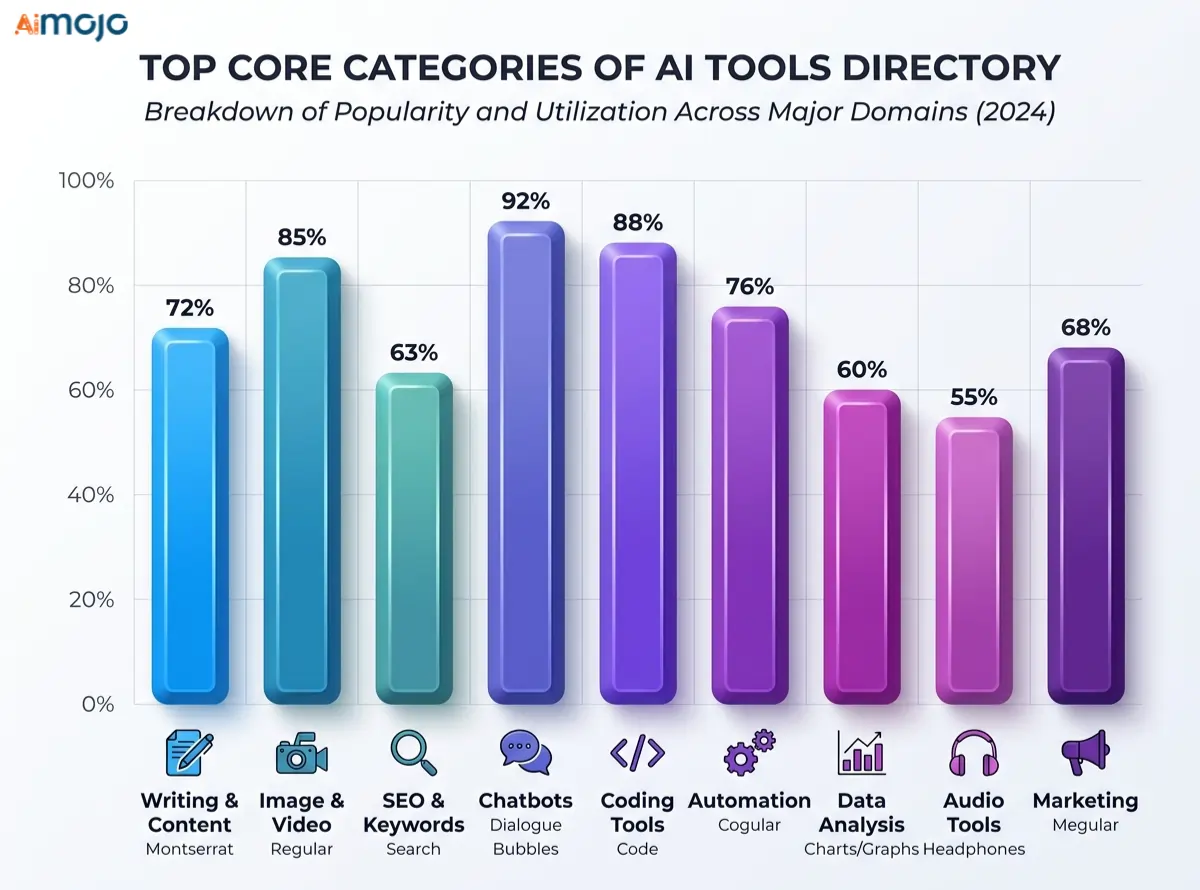
The better directories let you stack filters — search for a free AI writing tool with a Chrome extension and mobile support, for example. That level of specificity is what makes them genuinely useful instead of just another roundup with better branding.
Red Flags in AI Directories You Should Ignore
Some AI directory sites are affiliate farms with a filter UI slapped on top. Here's what to watch for:
If a directory checks any of these boxes, the listings aren't curated — they're just collected. Move on.
How AI Directories Are Changing the Way Tools Get Discovered
The discovery model is shifting away from influencer-first toward database-first. It used to be simple: someone with 100K followers posts about a tool, it blows up overnight. That still happens, but structured databases are increasingly winning the trust race.
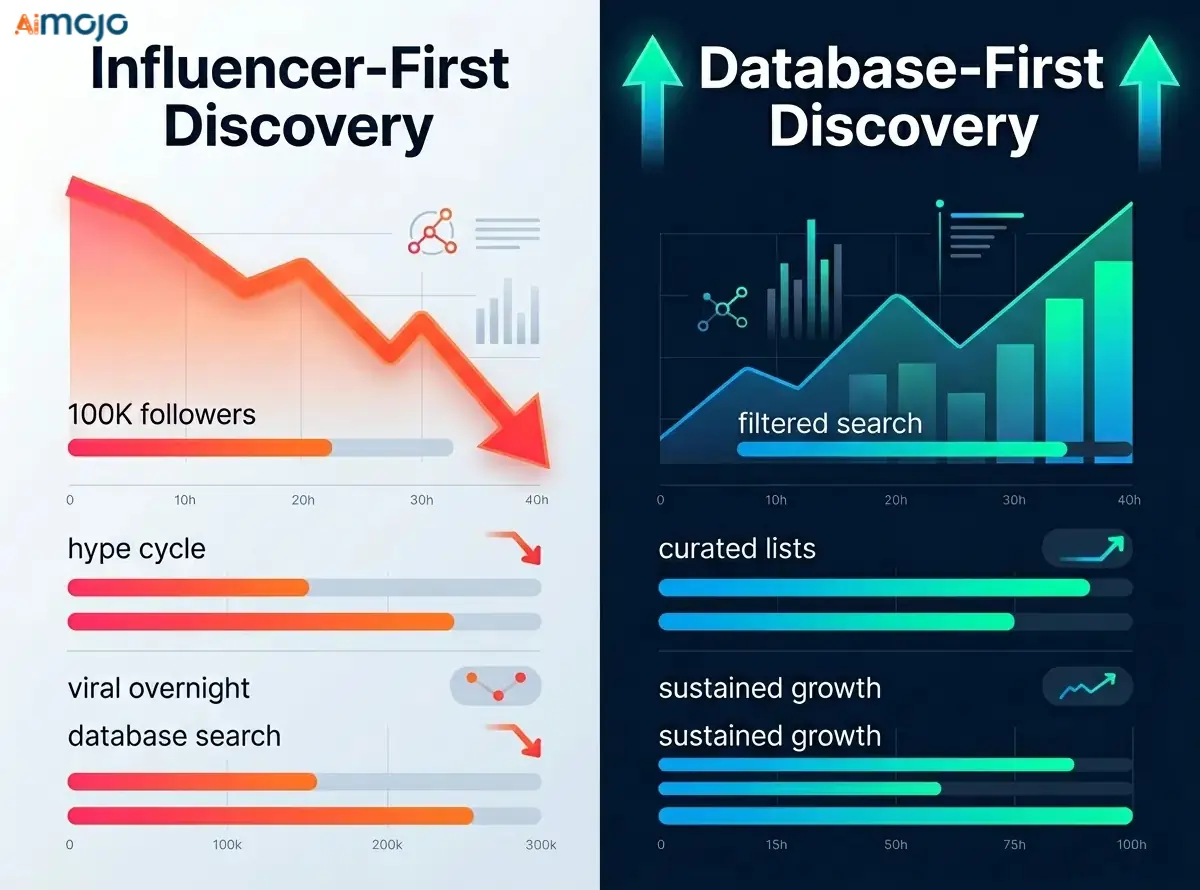
A few things driving this shift:
The shift is from “who told me about this” to “where did I find this” — and curated AI tool databases are winning that second question.
Building Your Own AI Tool Stack Using Directories
Using an AI tools comparison site effectively is a skill. Here's a no-fluff process that actually works:
- Start with your use case, not the trending pick — filter by what you need to accomplish, not what's getting buzz
- Set a pricing filter first — free or freemium narrows the field immediately without any budget commitment
- Cross-reference at least two directories before making a call — one directory's top recommendation might not even appear in another
- Use save and bookmark features to build a shortlist instead of making snap decisions mid-research
- Subscribe to directory newsletters — most genuinely useful new AI tools for productivity get featured in weekly digests before they hit mainstream tech coverage
Done this way, building a stack takes an hour instead of a week — and you end up with tools that fit your workflow, not just the ones that got the most PR push.
👉 Want a directory that checks all six boxes? Explore the curated stack at AI Mojo's AI Tools Directory — vetted listings, live status, and real filters.
FAQs
What is an AI tool directory?
A structured database that lists, categorizes, and often rates AI-powered software. Built for discovery — so users can find tools by use case, pricing, or feature set without relying on search engines or social media tips.
Are AI directories free to use?
For browsers, yes — almost universally. Tool developers sometimes pay for featured or priority placement, but browsing and searching is typically free.
How do AI directories make money?
Common models include sponsored listings, featured placement fees, affiliate commissions on click-throughs, and paid newsletter subscriptions tied to the directory brand.
What's the difference between an AI directory and a review site?
A review site goes deep on individual tools with editorial analysis. An AI directory is a discovery database — broader coverage, less depth per tool, built for fast comparison and filtering rather than in-depth reading.
How do I submit my AI tool to a directory?
Most have a “Submit a Tool” page. You fill in the name, category, pricing, description, and URL. Curated directories review submissions before going live — open-with-review beats instant-publish every time for quality control.
Which AI directories get the most traffic?
Platforms like Futurepedia, There's An AI For That, and Product Hunt's AI category consistently rank among the highest-traffic AI tool discovery platforms based on organic search and direct traffic patterns.
If you haven't explored what's already organized inside niche AI directories built specifically for content, marketing, and automation — that's the best starting point before committing to any stack. The research has already been done. You just need to know where to look.
AiMojo Recommends:


 BONUS: Get our $200 “AI Mastery Toolkit” FREE when you sign up!