

The best AI Writing Tools in 2026 are not all built for the same job, and that's exactly why most “top tools” lists waste your time. Some are made for SEO blogs, some for fiction, some for sales copy, and a few try to swallow your entire content stack in one tab.
We put the nine names people actually argue about through the same real tasks and ranked what survived.
Our #1 pick replaced five separate subscriptions for one tester. If you write blogs, copy, or fiction for money, this shortlist saves you a month of trial-and-error.
How We Tested These AI Writing Tools
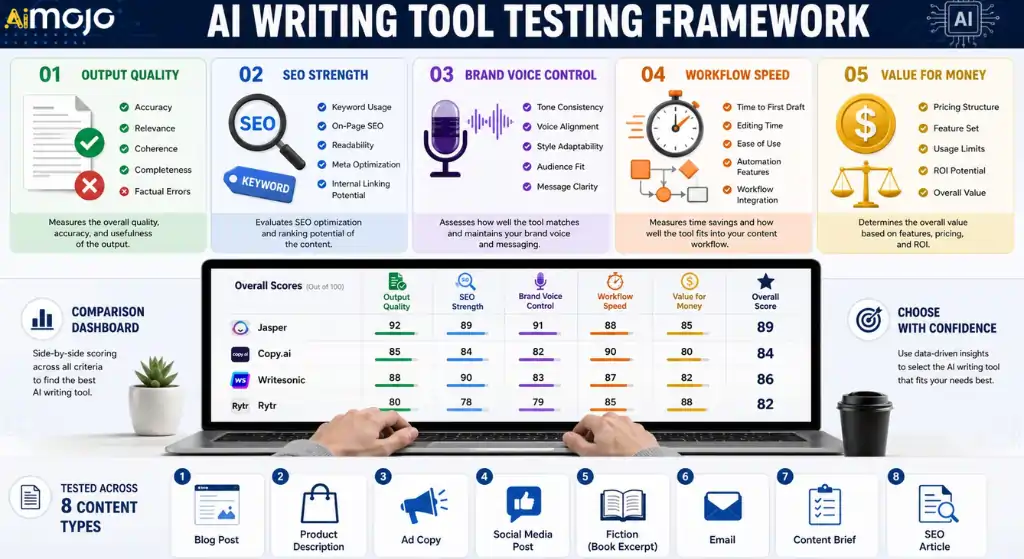
We didn't rank by hype. Every platform ran the same gauntlet — blog outlines, SEO drafts, product descriptions, ad copy, social hooks, fiction scenes, email sequences, and content briefs — so the order means something.
Scoring leaned on five things:
Extra weight went to tools that help you publish faster, not just generate more words.
The Quick Ranking Before the Deep Cuts
| Rank | Tool | Best For | Strongest Feature | Weak Spot | Best User Type |
|---|---|---|---|---|---|
| 1 | Genspark | All-in-one workspace | Multi-model writing + research | Broad for basic drafts | Bloggers, marketers, creators |
| 2 | Surfer SEO | SEO optimization | Content score + NLP terms | Not a creative writer | Affiliate publishers, SEO writers |
| 3 | Sudowrite | Fiction writing | Scene & character expansion | Weak for business copy | Authors, storytellers |
| 4 | Claude | Long-form prose | Human-sounding tone | Thin SEO tooling | Editors, long-form writers |
| 5 | ChatGPT | Research & outlines | Flexible prompt workflows | Generic without strong prompts | General creators, teams |
| 6 | Gemini | Google workflows | Docs/Gmail/Drive tie-in | Inconsistent long-form polish | Workspace users |
| 7 | Grok | Trend angles | Real-time social ideas | Needs cleanup to publish | Creators, social teams |
| 8 | Copy.ai | Sales copy | GTM campaign workflows | Shallow editorial depth | Marketers, sales teams |
| 9 | Frase | SEO briefs | SERP-based outlines | Better planning than drafting | Bloggers, SEO teams |
1. Genspark — Best All-in-One AI Writing Workspace
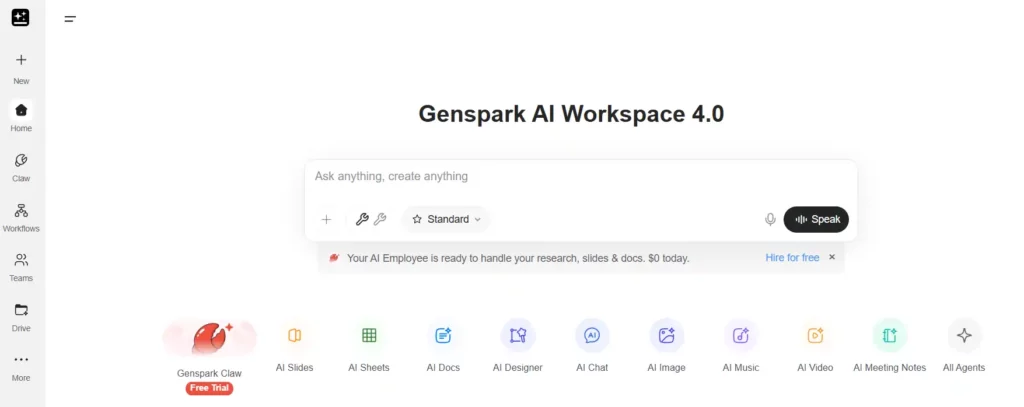
Genspark takes the crown because it acts less like a chatbot and more like a full content command center. You research a topic, compare sources, build structured drafts, generate documents, and switch between major AI models without juggling five tabs. For anyone already paying for multiple AI writing software subscriptions, this is the first one worth testing as a stack replacement.
Its biggest edge is the research-to-draft flow. Most AI content generators can spit out paragraphs; Genspark builds a workflow around the whole piece. That matters for bloggers, affiliate marketers, YouTubers, and solo founders who need more than a quick paragraph machine.
Where it wins:
The catch: for short captions or one-line rewrites, it can feel oversized. But for SEO blogs, newsletters, and landing pages, it earns #1.
Best for: creators, bloggers, marketers, and small teams cutting subscription bloat.
2. Surfer SEO — Best for SEO Content Optimization

Surfer isn't chasing poetry — it chases rankings. If your content has to compete in Google, it hands you the structure most AI Writing Tools skip. The Content Editor scores your draft live against ranking pages and surfaces target terms, headings, word count, and content score gaps before you publish.
For affiliate publishers, niche site owners, and SEO agencies, that's the line between a decent article and one built for search intent.
Best use cases:
Pair it with a drafting tool — write in Genspark, Claude, or ChatGPT, then optimize in Surfer. The weak spot is creative writing; for fiction or punchy ads, open something else.
Best for: SEO writers, affiliate marketers, niche publishers, and agencies.
3. Sudowrite — Best for Fiction and Creative Writing
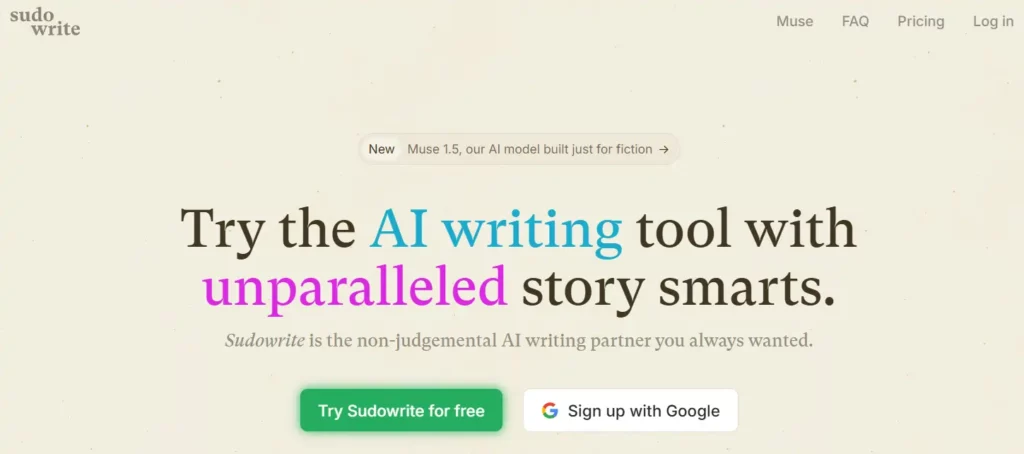
Sudowrite is the happy outlier. It doesn't pretend to be a marketing tool — it's built for novelists, screenwriters, and anyone working with scenes, characters, and pacing. Hand it a flat scene and it adds tension, sensory detail, and dialogue ideas without turning your story into a corporate blog post.
Where it shines:
It's the wrong pick for SEO blogs or landing pages — that's a different lane, not a flaw. Use it as a creative partner: feed it your direction, keep your voice, and let it punch up weak spots.

Best for: authors, fiction writers, screenwriters, and storytellers.
4. Claude — Best for Natural Tone and Long-Form Writing
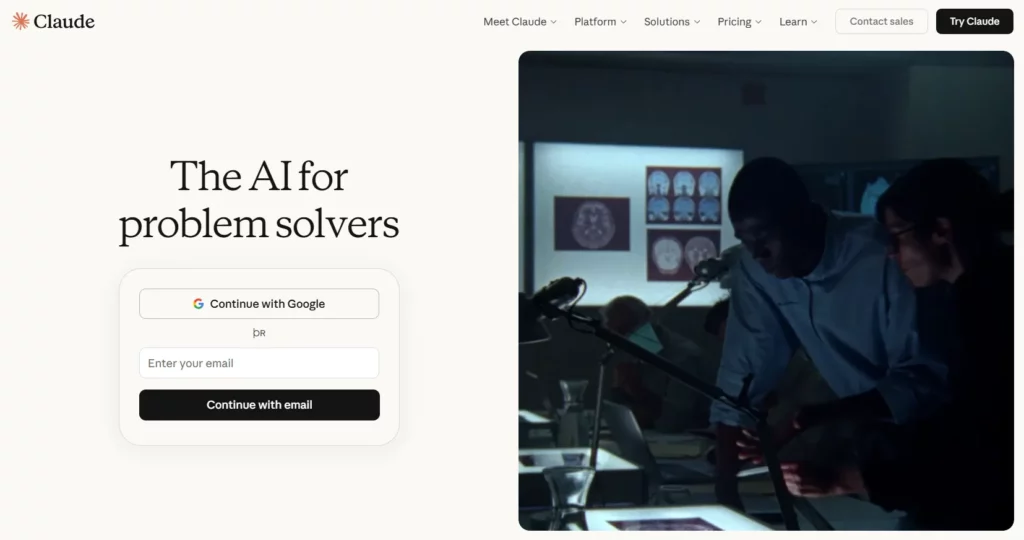
Among all the AI Writing Tools here, Claude produces the cleanest, most human-sounding prose. It follows style instructions closely, holds long context, and turns rough notes into polished paragraphs without sounding stiff. For editorial pieces, newsletters, and rewrite work, editors keep coming back to it.
Best use cases:
It ranks below Genspark and Surfer for one reason: it's not a full SEO platform. You still need keyword research and optimization before publishing. But if robotic writing is your problem, Claude fixes most of it.
Best for: editors, long-form writers, founders, and tone-focused teams.
5. ChatGPT — Best for Research, Outlines, and Draft Structure
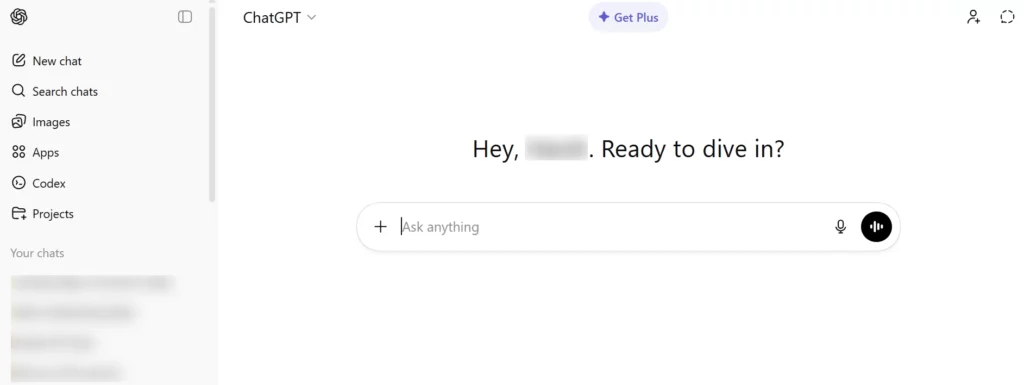
ChatGPT remains the most flexible AI writing assistant on the list. Brainstorming, outlines, rewrites, file summaries, tables, FAQs — it does a bit of everything, and custom instructions plus projects keep your voice consistent.
Best use cases:
The weakness is generic output from lazy prompts. Feed it audience, tone examples, and search intent, and it sharpens fast. Use it to plan and structure, then pass drafts to Claude for tone, Surfer for SEO, or Genspark for production.
Best for: creators, marketers, students, and general writing workflows.
6. Gemini — Best for Google-Connected Writing Workflows
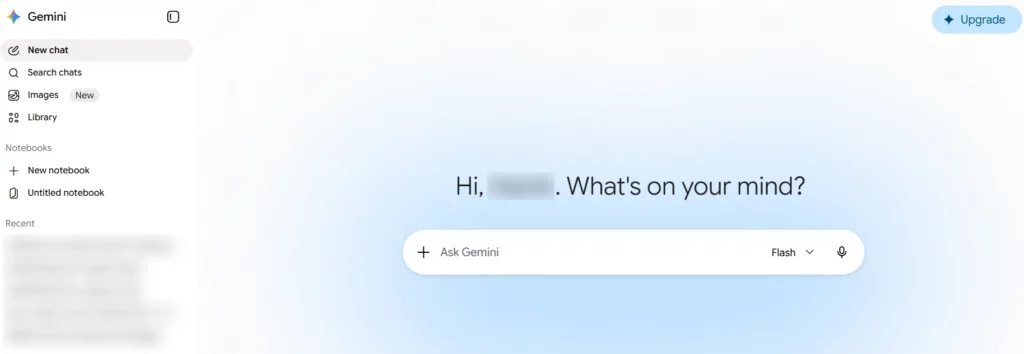
Gemini makes the most sense if your day lives inside Docs, Gmail, Sheets, and Drive. It drafts emails, summarizes documents, pulls ideas from files, and cleans up text right where you already work, cutting the copy-paste shuffle.
Where it fits best:
For polished long-form articles it's hit or miss, and SEO content still needs Surfer or Frase alongside it. Lean on Gemini for productivity writing; pair it with a stronger tool for money pages.
Best for: Google Workspace users, operators, students, and teams.
7. Grok — Best for Real-Time, Trend-Aware Content Angles
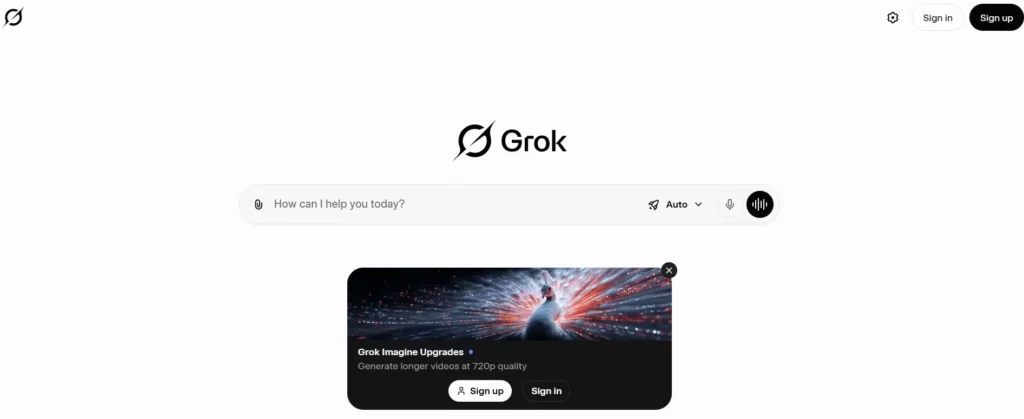
Grok runs on speed and attitude. Its real-time pulse on X-style chatter makes it strong for social content, hot takes, creator posts, and fast trend angles. If you write around news cycles, viral moments, or AI tool launches, Grok finds the hook before everyone else writes the same boring take.
Best use cases:
The downside is polish — output needs cleanup and fact-checking before publishing. Use Grok at the idea stage, then move the draft into Claude, Genspark, or ChatGPT for structure.
Best for: creators, social teams, and trend-driven publishers.
8. Copy.ai — Best for Sales Copy and GTM Workflows

Copy.ai is for conversion, not literature. It's strong for ads, landing pages, outbound emails, product descriptions, and GTM assets. The templates kill blank-page panic by walking you through audience, offer, pain point, and CTA instead of a cold prompt.
Best use cases:
It's not the pick for deep editorial content — output leans campaign-y. Generate multiple variations, test hooks, refine CTAs, and keep the highest-converting lines.
Best for: marketers, sales teams, SaaS companies, and agencies.
9. Frase — Best for Content Briefs and SERP-Driven Outlines
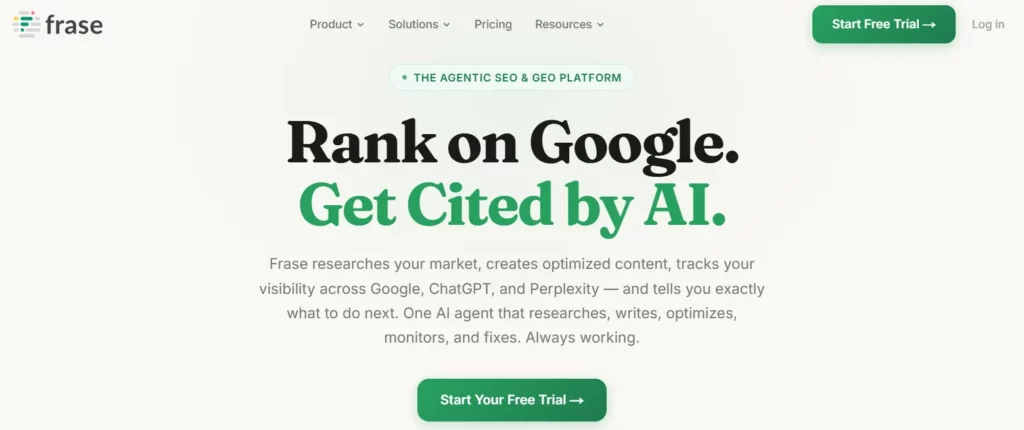
Frase is less a pure writer and more a smart SEO planning brain. It analyzes the SERP, pulls competitor outlines, surfaces the questions people ask, and flags content gaps — turning a vague topic into a publish-ready brief.
Where it wins:
Final writing quality is its weak spot, so the better workflow is: brief and outline in Frase, draft in Genspark, Claude, or ChatGPT, then optimize in Surfer. It's the quiet tool that makes your plan smarter before writing starts.
Best for: bloggers, SEO teams, content strategists, and agencies.
Which AI Writing Tool Fits Your Use Case?
Pick by the work you do every week, not the ranking number.
| Your Use Case | Best Pick | Why It Fits |
|---|---|---|
| All-in-one content workflow | Genspark | Research, drafting, rewriting, multi-model in one place |
| SEO blog writing | Surfer SEO | Optimizes content before publishing |
| Fiction writing | Sudowrite | Built for stories, scenes, and characters |
| Natural long-form writing | Claude | Cleaner, human-like prose |
| General writing assistant | ChatGPT | Flexible for outlines, drafts, rewrites |
| Google Workspace writing | Gemini | Works across Google apps |
| Trend-based content | Grok | Fast hooks and current angles |
| Sales copy | Copy.ai | Built for campaigns and landing pages |
| SEO planning | Frase | Briefs, SERP research, content gaps |
Free vs Paid: What You Actually Get
Free AI Writing Tools are fine for kicking the tires, but they cap fast — slower models, usage limits, weaker brand voice, fewer workflow features. For casual use, that's enough. For publishing, it rarely is.
| Plan Type | Good For | Common Limits |
|---|---|---|
| Free | Testing, simple drafts | Caps, slow models, fewer features |
| Starter | Solo creators, bloggers | Limited team and workflow controls |
| Pro | Marketers, serious publishers | Higher cost, better speed and quality |
| Team | Content and sales teams | Worth it only with multiple active users |
If you publish often, the right paid tool stops feeling like an expense and starts feeling like buying back your calendar.
How to Get Better Output From Any AI Writing Tool
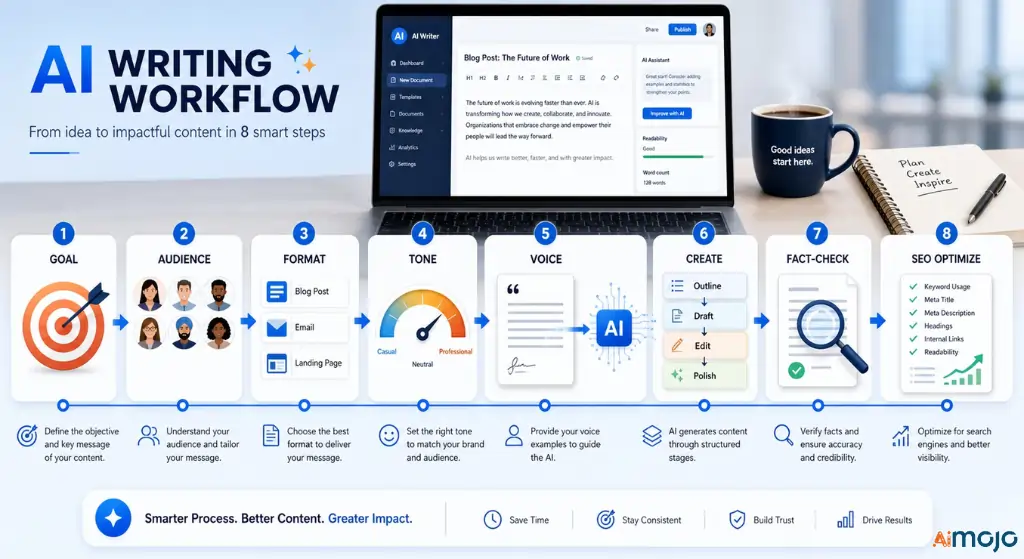
The tool matters less than how you drive it. Better input, better copy.
- Set the goal: traffic, sales, signups, authority, or engagement.
- Define the audience: beginners, founders, marketers, or buyers.
- Pick the format: blog, review, landing page, email, or thread.
- Give tone rules: punchy, casual, premium, direct, or editorial.
- Paste an example of the voice you want.
- Generate in stages: outline, section drafts, edits, final polish.
- Fact-check manually — AI sounds confident and still gets things wrong.
- Run SEO cleanup: add missing terms, fix headings, match intent.
That's how a plain AI content generator turns into a reliable writing assistant.
Frequently Asked Questions
What are the best AI Writing Tools in 2026?
Genspark leads for most people, with Surfer SEO and Claude close behind. The best one depends on your task — SEO, fiction, sales copy, or all-in-one production.
Are AI Writing Tools worth paying for?
If you publish regularly, yes. Paid plans unlock premium models, brand voice, higher limits, and faster workflows that free tiers cap hard.
Which AI writing tool has the best free plan?
ChatGPT and Gemini offer the most usable free tiers for general drafting. SEO tools like Surfer and Frase keep their strongest features paid.
Can AI-written content rank on Google?
Yes — when it's genuinely helpful, human-edited, and built around search intent. Thin, unedited output struggles.
Which tool writes the most human-like content?
Claude, by a clear margin, for natural tone and clean long-form prose.
Is Genspark better than ChatGPT for writing?
For an all-in-one workflow, yes. ChatGPT still wins as a flexible standalone assistant.
What is the best AI writing tool for SEO blogs?
Surfer SEO for optimization, Frase for briefs — paired with Genspark, Claude, or ChatGPT for drafting.
The Verdict
Genspark wins because it does the most for the widest group — a full workspace for research, drafting, rewriting, and production, not just another AI writing assistant. If you want one tool to replace several tabs, start there.
Surfer SEO takes #2 because rankings pay the bills; clean paragraphs alone don't. Sudowrite owns fiction, Claude owns tone, ChatGPT is the reliable all-rounder, Gemini fits Google workflows, Grok rules trend angles, Copy.ai handles sales copy, and Frase plans the SEO.
Here's the move: pick by your money task, start on the free plan, and upgrade only once the tool clearly earns its keep. Match it to your workflow and writing stops feeling like a grind.
AiMojo Recommends:


 BONUS: Get our $200 “AI Mastery Toolkit” FREE when you sign up!