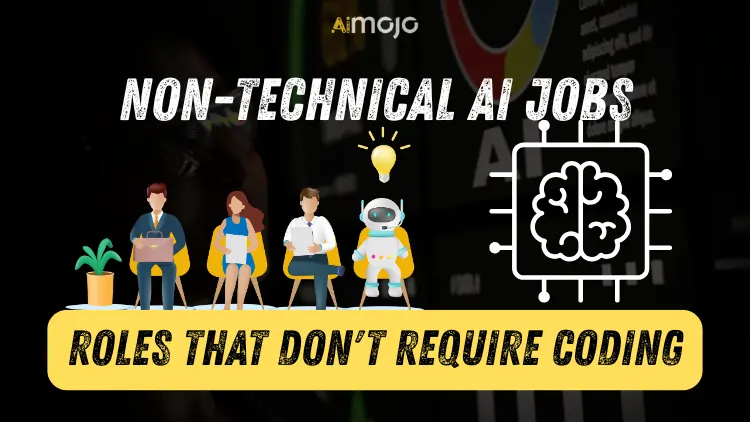
Większość ludzi słyszy „AI „kariera” i od razu wyobraź sobie programistę wpatrującego się w linie kodu Pythona o 2 w nocy. To's nie jest to pełny obraz. AI Branża aktywnie poszukuje autorów, marketingowców, strategów, nauczycieli i specjalistów od komunikacji — osób, które nigdy w życiu nie miały styczności z kompilatorem.
Jeśli siedziałeś z boku i myślałeś AI Kariera nie jest dla Ciebie, ta lista to zmieni.
Czemu AI Potrzeba czegoś więcej niż tylko inżynierów
Budowanie AI Model to jedno. Sprawienie, by prawdziwi ludzie faktycznie z niego korzystali, zaufali mu i za niego zapłacili? To…'s to zupełnie inne wyzwanie — i sami inżynierowie nie są w stanie go rozwiązać.
AI produkty Potrzebujemy narratorów, którzy je wyjaśnią, trenerów, którzy je ulepszą, menedżerów, którzy je wprowadzą, i etyków, którzy zapobiegną ich zboczeniu z kursu. Różnica między tym, co robi AI mogą i co właściwie robią firmy rozwijać jest zajmowana niemal wyłącznie przez osoby o kwalifikacjach nietechnicznych.
Pomyśl o tym w ten sposób: ChatGPT potrzebował inżynierów do jego zbudowania, ale potrzebował też zespołów ds. treści, menedżerów produktu, autorów UX i przedstawicieli ds. obsługi klienta, aby dotrzeć do 100 milionów użytkowników. Aspekt biznesowy AI jest ogromny i's w dużej mierze napędzane siłą ludzkich serc.
Co sprawia, że praca w dziedzinie sztucznej inteligencji jest „nietechniczna”?
Na potrzeby niniejszego artykułu przyjmuje się, że: AI praca oznacza:
Nie jest wymagany Python, R ani żaden inny język programowania
Brak pracy z potokami danych, interfejsami API ani infrastrukturą chmurową
Co is wymagany jest komfort AI narzędzia — platformy takie jak ChatGPT, Claude, Gemini, Midjourney, Jaspis, Pojęcie AIi podobnych produktów. Używasz tych narzędzi, ulepszasz je, sprzedajesz lub uczysz o nich innych. Nie tworzysz ich.
Umiejętności, które naprawdę mają znaczenie na tych stanowiskach:
Silna komunikacja pisemna i werbalna
Myślenie krytyczne i ocena wyników (znajomość dobrych AI wyjście ze śmieci)
Ekspertyza w danej dziedzinie (marketing, pisanie, HR, sprzedaż — zabierz ze sobą swoje doświadczenie)
Co robisz: Napisz, przetestuj i udoskonal instrukcje, które zostaną AI Narzędzia do tworzenia dokładnych, zgodnych z marką i spójnych wyników. Budujesz biblioteki komunikatów, dokumentujesz najlepsze praktyki i współpracujesz z zespołami ds. treści, produktów i marketingu, aby ujednolicić AI przepływy pracy.
Dlaczego jest to ważne: Złe monity kosztują firmy czas, pieniądze i jakość. Wykwalifikowany natychmiastowy inżynier może skrócić czas produkcji treści o 60–70%, przy jednoczesnym zachowaniu użyteczności wyników.
Wymagane umiejętności:
Dobra znajomość języka i logicznej struktury
Praktyczne doświadczenie z LLM — GPT-4o, Claude 3, Gemini Advanced
Możliwość dokumentowania, wersjonowania i systematyzowania szablonów monitów
Myślenie analityczne w celu oceny i poprawy jakości wyników
Zakres wynagrodzeń: 60,000–135,000 USD rocznie
Z kim's wynajmowanie: Firmy SaaS, AI startupy, agencje marketingowe, zespoły zajmujące się treściami korporacyjnymi
Trudność włamania: Łatwe — oparte na portfolio, bez konieczności posiadania dyplomu
2. AI Strateg ds. Treści
Co robisz: Planuj i nadzoruj Produkcja treści wspomagana sztuczną inteligencją na dużą skalę. Definiujesz strukturę treści, mapujesz tematy na intencje wyszukiwania, zarządzasz jakością redakcyjną i używasz narzędzi takich jak Jasper, Surfer i ChatGPT, aby tworzyć kanały treści, których ręczne stworzenie zajęłoby całemu zespołowi tygodnie.
Dlaczego jest to ważne: AI Potrafisz pisać szybko — ale bez strategicznego kierownictwa tworzysz generyczne treści, które nie mają żadnej pozycji i nikogo nie konwertują. Jesteś mózgiem stojącym za tym efektem.
Wymagane umiejętności:
Doświadczenie w zakresie SEO, planowania treści i badań odbiorców
Badanie słów kluczowych, analiza luk w treści i mapowanie intencji wyszukiwania
Znajomość AI narzędzia do pisania i optymalizacji
Zakres wynagrodzeń: 55,000–110,000 USD rocznie
Z kim's wynajmowanie: Firmy medialne, marki SaaS, firmy e-commerce, agencje cyfrowe
Trudność włamania: Łatwy do średniego — istniejące tło marketingu treści jest przenoszone bezpośrednio
3. AI Trener / Adnotator danych
Co robisz: Przeglądaj, etykietuj, klasyfikuj i oceniaj wyniki generowane przez sztuczną inteligencję, aby pomóc modelom w ulepszaniu się z czasem. Zadania obejmują ocenę odpowiedzi chatbota pod kątem dokładności i bezpieczeństwa, a także nauczanie… AI różnica między treściami pomocnymi i szkodliwymi w określonych domenach.
Dlaczego jest to ważne: AI Modele są tak dobre, jak informacje zwrotne, na których są trenowane. Trenerzy z wiedzą specjalistyczną w danej dziedzinie – prawniczej, medycznej, kreatywnej, wielojęzycznej – są kluczowi dla tworzenia AI wyniki są wiarygodne.
Wymagane umiejętności:
Duża dbałość o szczegóły i spójność
Wiedza specjalistyczna w określonej dziedzinie (ogromna zaleta)
Przejrzysta dokumentacja i pisanie opinii
Komfort w wykonywaniu powtarzalnych zadań ewaluacyjnych w dużych ilościach
Zakres wynagrodzeń: 18–45 USD/godzinę (głównie praca na zlecenie lub kontrakt)
Z kim's wynajmowanie: OpenAI, Scale AI, Appen, Remotask, Surge AI
Trudność włamania: Łatwy — jeden z najszybszych i najbardziej dostępnych punktów wejścia do AI rynek pracy
4. AI Product Managerowie
Co robisz: Bądź odpowiedzialny za mapę drogową produktów dla narzędzi i funkcji opartych na sztucznej inteligencji. Zbieraj opinie użytkowników, definiuj wymagania, ustalaj priorytety zadań i koordynuj pracę zespołów inżynieryjnych, projektowych i biznesowych, aby dostarczać produkty, które faktycznie działają dla prawdziwych użytkowników.
Dlaczego jest to ważne: AI Funkcje tworzone bez kierownika projektu często rozwiązują niewłaściwe problemy. Dbasz o to, aby produkt rozwiązywał rzeczywiste problemy, był dostarczany na czas i zachęcał użytkowników do powrotu.
Umiejętność przełożenia problemów użytkowników na jasne wymagania dotyczące produktu
Komunikacja z interesariuszami w zespołach technicznych i nietechnicznych
Praktyczna wiedza o AI możliwości i ograniczenia — nie sposób ich budowania, ale to, co mogą, a czego nie mogą zrobić
Zakres wynagrodzeń: 110,000–185,000 USD rocznie
Z kim's wynajmowanie: Firmy technologiczne, startupy stawiające na sztuczną inteligencję, firmy zajmujące się oprogramowaniem korporacyjnym
Trudność włamania: Trudne — wymaga wcześniejszego doświadczenia w zarządzaniu projektami, ale wykształcenie nietechniczne jest w pełni akceptowalne
5. AI Specjalista ds. etyki
Co robisz: Audyt AI Systemy dotyczące stronniczości, uczciwości, ryzyka związanego z prywatnością i zgodności z przepisami. Współpracujesz z zespołami prawnymi, politycznymi i produktowymi, aby budować odpowiedzialne AI struktury — i sygnalizujesz problemy zanim staną się nagłówkami gazet.
Dlaczego jest to ważne: Rządy na całym świecie zaostrzają AI Szybkie zmiany przepisów. Firmy bez dedykowanego nadzoru etycznego narażają się na ryzyko prawne, finansowe i utratę reputacji. Ta rola staje się nie do negocjacji dla przedsiębiorstw. AI wdrożenia.
Wymagane umiejętności:
Wykształcenie prawnicze, filozoficzne, społeczne lub w zakresie polityki publicznej
Zrozumienie uprzedzeń algorytmicznych, prywatności danych i AI koncepcje uczciwości
Doskonałe umiejętności w zakresie badań, dokumentacji i komunikacji ryzyka
Umiejętność doradzania zespołom technicznym i interesariuszom na szczeblu C
Zakres wynagrodzeń: 85,000–160,000 USD rocznie
Z kim's wynajmowanie: Duże firmy technologiczne (Google, Microsoft, Meta), agencje rządowe, AI firmy konsultingowe, instytucje finansowe
Co robisz: Zaprojektuj przepływy dialogów, osobowość i logikę, która za nimi stoi AI Chatboty i wirtualni asystenci. Skryptujesz odpowiedzi, mapujesz ścieżki użytkowników i zajmujesz się przypadkami brzegowymi — upewniając się, że bot udziela użytecznych odpowiedzi zamiast odsyłać użytkowników w kółko.
Dlaczego jest to ważne: Źle zaprojektowany chatbot natychmiast niszczy zaufanie klientów. Dobrze zaprojektowany zmniejsza liczbę zgłoszeń do pomocy technicznej, zwiększa konwersję i zapewnia płynne doświadczenie użytkownika na dużą skalę.
Wymagane umiejętności:
Doświadczenie w pisaniu UX lub copywritingu
Mapowanie przepływu logicznego i projektowanie drzewa decyzyjnego
Znajomość platform takich jak Voiceflow, Dialogflow lub Botpress
Empatia wobec frustracji użytkowników i skrajnych scenariuszy
Zakres wynagrodzeń: 65,000–120,000 USD rocznie
Z kim's wynajmowanie: Marki e-commerce, platformy fintech, firmy z branży opieki zdrowotnej, firmy kładące nacisk na obsługę klienta
Trudność włamania: Średnie — doświadczenie w pisaniu tekstów UX lub copywritingu daje Ci przewagę na starcie
7. AI Marketing Manager
Co robisz: Prowadź pełne kampanie marketingowe, używając AI narzędzia do generowania kopii, segmentacja odbiorców, testowanie kreacji reklamowych i analiza skuteczności. Nie zastępujesz swoich marketingowych instynktów — wzmacniasz wyniki za pomocą narzędzi takich jak Copy.ai, Persado i Albert.ai.
Dlaczego jest to ważne: Marki prowadzące kampanie marketingowe wspomagane sztuczną inteligencją tworzą od 3 do 5 razy więcej kreatywnych wariantów, szybciej przeprowadzają testy i obniżają koszt pozyskania klienta (CAP). Ktoś musi strategicznie zarządzać tym procesem.
Wymagane umiejętności:
Doświadczenie w marketingu cyfrowym w kanałach płatnych, organicznych, e-mailowych i społecznościowych
Praktyczne doświadczenie z AI narzędzia marketingowe i automatyzacyjne
Zarządzanie budżetem kampanii i interpretacja wyników
Spójność głosu marki w wynikach generowanych przez sztuczną inteligencję
Zakres wynagrodzeń: 70,000–130,000 USD rocznie
Z kim's wynajmowanie: Marki D2C, firmy SaaS, handel detaliczny w Internecie, marketing efektywnościowy agencje
Trudność włamania: Łatwy do średniego — obecni marketerzy mają największą wbudowaną przewagę
8. AI Pisarz UX
Co robisz: Napisz tekst interfejsu, tekst wprowadzający, komunikaty o błędach i podpowiedzi w produktach opartych na sztucznej inteligencji. Każda etykieta przycisku, komunikat potwierdzający i powiadomienie w aplikacji, które sprawiają, że użytkownik czuje się pewnie (lub zdezorientowany), jest Twoją odpowiedzialnością.
Dlaczego jest to ważne: AI Produkty są z natury złożone. Jasny, dobrze umieszczony mikrotekst to często jedyny czynnik, który powstrzymuje użytkownika przed porzuceniem produktu podczas pierwszej sesji.
Wymagane umiejętności:
Doświadczenie w pisaniu UX lub projektowaniu treści
Pisanie z zachowaniem ekstremalnej zwięzłości i ścisłych ograniczeń dotyczących liczby znaków
Zrozumienie AI zachowanie produktu, przypadki brzegowe i stany awarii
Ścisła współpraca z projektantami i inżynierami produktów
Zakres wynagrodzeń: 75,000–140,000 USD rocznie
Z kim's wynajmowanie: AI firmy produktowe, fintech, platformy SaaS, aplikacje konsumenckie
Trudność włamania: Średni — głównym filtrem przy zatrudnianiu jest solidne portfolio tekstów UX
9. AI Sukces menedżera klienta
Co robisz: Pomóż klientom biznesowym wydobyć rzeczywistą wartość z AI Produkty programowe. Zajmujesz się wdrażaniem, szkoleniem użytkowników końcowych, monitorowaniem wskaźników adopcji, rozwiązywaniem problemów i pełnisz funkcję bezpośredniego kontaktu między zespołem produktowym a klientem.
Dlaczego jest to ważne: AI Wskaźnik rezygnacji z narzędzi jest wysoki. Klienci, którzy nie widzą szybkiego zwrotu z inwestycji, rezygnują. Dobry CSM może bezpośrednio wpływać na wskaźniki odnowień, przychody z ekspansji i jakość opinii o produkcie.
Z kim's wynajmowanie: AI Firmy SaaS, dostawcy oprogramowania dla przedsiębiorstw, platformy technologii HR i martech
Trudność włamania: Łatwość — doświadczenie sukcesu klienta z dowolnego transferu danych SaaS z minimalnym przekwalifikowaniem
10. AI Przedstawiciel Handlowy
Co robisz: Sell AI Oprogramowanie dla firm poprzez prezentację produktu, radzenie sobie z obiekcjami, pielęgnowanie potencjalnych klientów i finalizowanie transakcji. Twoim zadaniem jest przedstawienie uzasadnienia biznesowego dla AI adopcji — w prostym języku, bez przytłaczania kupujących żargonem technicznym.
Dlaczego jest to ważne: AI Narzędzia mają wysoką postrzeganą barierę złożoności. Przedstawiciele handlowi, którzy potrafią uprościć propozycję wartości i posługują się językiem zwrotu z inwestycji (ROI), finalizują znacznie więcej transakcji niż przedstawiciele biegli technicznie, którzy nie potrafią komunikować wpływu na biznes.
Wymagane umiejętności:
Doświadczenie w sprzedaży B2B lub dobre umiejętności komunikacji konsultacyjnej
Umiejętność wyjaśniania złożonych narzędzi prostym językiem, skoncentrowanym na wynikach
Biegła znajomość CRM — Salesforce, HubSpotlub podobne
Radzenie sobie z obiekcjami i instynkt zamykania transakcji
Zakres wynagrodzeń: 70 000–200 000+ USD/rok (z prowizją)
Z kim's wynajmowanie: AI startupy, firmy technologiczne dla przedsiębiorstw, platformy SaaS we wszystkich pionach
Co robisz: Zarządzaj obecnością marki w mediach społecznościowych kompleksowo, korzystając z AI narzędzia do tworzenia pomysłów, pisania podpisów, tworzenia wizualizacji, planowania i analiz. Reżyserujesz AI produkować dużą ilość treści, jednocześnie dbając o to, aby były ludzkie, istotne i zgodne z marką.
Dlaczego jest to ważne: Marki, które regularnie publikują posty, osiągają lepsze wyniki niż te, które tego nie robią — i AI wyeliminowało wymówkę braku czasu lub pomysłów. Różnica jest teraz widoczna między markami z wykwalifikowanymi menedżerami zarządzającymi tymi narzędziami a tymi, które ich nie mają.
Podstawowa analityka do identyfikacji tego, co's pracuję i podwajam wysiłki
Zakres wynagrodzeń: 45,000–90,000 USD rocznie
Z kim's wynajmowanie: Marki z każdej branży, agencje kreatywne, firmy medialne
Trudność włamania: Łatwe — jedna z najbardziej dostępnych ról dla osób zmieniających karierę i wchodzących do branży AI
12. AI Konsultant (strona biznesowa)
Co robisz: Doradzamy firmom w zakresie integracji AI narzędzia do istniejących operacji, aby obniżyć koszty, przyspieszyć przepływy pracy i poprawić wyniki — bez konieczności zatrudniania całego zespołu inżynierów. Oceniasz obecne procesy, identyfikujesz AI dopasuj i zarekomenduj konkretne narzędzia wraz z planami wdrożenia.
Dlaczego jest to ważne: Większość małych i średnich przedsiębiorstw wie, że potrzebuje AI ale nie mam pojęcia, od czego zacząć. Strona biznesowa AI Konsultanci wypełniają tę lukę doradczą i pobierają za nią wyższe stawki.
Wymagane umiejętności:
Doświadczenie w zakresie analizy biznesowej, operacji lub doradztwa zarządczego
Głęboka, aktualna wiedza na temat AI ekosystem narzędzi w wielu pionach
Określanie zakresu projektu, zarządzanie zmianami i obliczanie zwrotu z inwestycji (ROI)
Zakres wynagrodzeń: 90 000–200 000+ USD rocznie (lub 2 000–10 000+ USD dziennie jako niezależny konsultant)
Z kim's wynajmowanie: Firmy doradztwa zarządczego, MŚP, przedsiębiorstwa, niezależna praktyka
Trudność włamania: Trudne — wymaga wiarygodności i doświadczenia, ale w tej roli można wykorzystać solidną wiedzę branżową w dowolnym sektorze
13. AI Koordynator Projektu
Co robisz: Trzymać AI projekty zgodnie z harmonogramem — zarządzanie harmonogramami, produktami końcowymi, komunikacją w zespole, koordynacją dostawców i dokumentacją w ramach szybko realizowanych projektów, w których wymagania stale się zmieniają.
Dlaczego jest to ważne: AI Projekty są znane z tego, że mają ograniczony zakres i są wrażliwe na harmonogram. Silny koordynator zapobiega nieporozumieniom między inżynierami, projektantami, interesariuszami i klientami, które mogą zaburzyć cały cykl życia produktu.
Biegła znajomość narzędzi takich jak Asana, Monday.com, Notion lub Jira
Jasna komunikacja pisemna i ustna z różnymi zespołami
Komfort radzenia sobie z niejednoznacznością i zmieniającymi się priorytetami
Zakres wynagrodzeń: 55,000–95,000 USD rocznie
Z kim's wynajmowanie: AI startupy, firmy technologiczne, agencje świadczące usługi klienckie oparte na sztucznej inteligencji
Trudność włamania: Łatwe — standardowe doświadczenie w koordynacji projektów przenoszone z minimalnym podnoszeniem kwalifikacji
14. AI Specjalista ds. SEO
Co robisz: Twórz i zarządzaj wspomaganymi przez sztuczną inteligencję procesami SEO — badaniem słów kluczowych, analizą konkurencji, optymalizacją treści, audytami technicznymi i śledzeniem pozycji — przy użyciu narzędzi takich jak Surfer SEO, Clearscope, Semrush AI, RangMath. Skalujesz wyniki SEO bez zwiększania liczby pracowników.
Dlaczego jest to ważne: AI umożliwiło jednemu specjaliście SEO wykonywanie pracy całego zespołu. Ale AI SEO bez strategii ludzkiej generuje słabą, wymienną treść, którą wyszukiwarki aktywnie pomijają. Ludzka warstwa oceny oddziela ranking treści od treści niewidocznych.
Wymagane umiejętności:
Podstawowa wiedza z zakresu SEO — na stronie, techniczna, poza stroną i schemat
Praktyczne doświadczenie z narzędziami SEO i content opartymi na sztucznej inteligencji
Analiza intencji wyszukiwania i identyfikacja luk w treściach
Śledzenie wydajności, raportowanie i iteracyjna optymalizacja
Zakres wynagrodzeń: 55,000–115,000 USD rocznie
Z kim's wynajmowanie: Agencje cyfrowe, firmy SaaS, firmy partnerskie, marki e-commerce
Trudność włamania: Łatwe — istniejące doświadczenie w zakresie SEO to bezpośrednia kwalifikacja, wymagająca minimalnego doskonalenia umiejętności w zakresie sztucznej inteligencji
15. AI Narzędzia Edukator / Trener
Co robisz: Naucz osoby i zespoły korporacyjne, jak korzystać AI skutecznie korzystać z narzędzi poprzez warsztaty, kursy online, wewnętrzne programy szkoleniowe lub coaching indywidualny. AI przystępne dla osób, które uważają je za onieśmielające lub przytłaczające.
Dlaczego jest to ważne: AI Wdrażanie narzędzi w firmach przebiega powoli — nie dlatego, że narzędzia są złe, ale dlatego, że większość pracowników nie wie, jak z nich prawidłowo korzystać. Wykwalifikowani trenerzy są bezpośrednio powiązani ze wzrostem produktywności i przewagą konkurencyjną.
Wymagane umiejętności:
Dobre umiejętności projektowania i komunikacji dydaktycznej
Głęboka, aktualna, praktyczna wiedza na temat popularnych AI narzędzia w wielu przypadkach użycia
Możliwość uproszczenia złożonych przepływów pracy dla odbiorców nietechnicznych
Doświadczenie w tworzeniu kursów, prowadzeniu szkoleń lub szkoleniach korporacyjnych
Zakres wynagrodzeń: 50 000–120 000 USD rocznie (znacznie więcej dla korporacyjnych trenerów i uznanych twórców kursów)
Z kim's wynajmowanie: Firmy EdTech, działy korporacyjne ds. szkoleń i rozwoju, uniwersytety, osoby prywatne tworzące firmy oparte na kursach
Trudność włamania: Łatwy do średniego — wiarygodność opiera się na udowodnionych AI wiedza specjalistyczna, nie kwalifikacje
Umiejętności, które dają Ci przewagę w każdej sytuacji AI Rola
We wszystkich 15 powyższych rolach stale pojawia się kilka umiejętności przekrojowych. Rozwijaj je, a będziesz konkurencyjny w każdej z nich:
Pisanie na żądanie: Wiedza, jak instruować AI narzędzia do wytwarzania użytecznych i trafnych wyników szybko stają się podstawową umiejętnością zawodową
Ocena wyników: Możliwość rozpoznania, kiedy AI jest błędny, stronniczy, niezgodny z marką lub po prostu przeciętny — i jak to naprawić
AI biegłość w posługiwaniu się narzędziami: Bądź na bieżąco z ChatGPT, Claude, Gemini, Perplexity, Midjourney i innymi narzędziami, które są popularne w Twojej niszy
Komunikacja z zainteresowanymi stronami: Większość AI role obejmują wyjaśnianie, co AI robi (lub nie robi) ludziom, którzy jeszcze tego w pełni nie rozumieją
Zdolność adaptacji: Narzędzia, które istnieją dzisiaj, mogą być nieistotne za 18 miesięcy. Umiejętność szybkiego uczenia się jest ważniejsza niż zapamiętywanie funkcji.
Najlepsze platformy do wyszukiwania osób nietechnicznych AI Oferty pracy
Nie musisz przeszukiwać mało znanych tablic ogłoszeń o pracę — AI praca dla osób nietechnicznych jest wszędzie, jeśli wiesz, gdzie szukać:
LinkedIn: Filtruj według „Sztucznej inteligencji” + swojego typu roli. Ustaw alerty dla „AI Treść," "AI Produkt”, „Szybki inżynier”, „AI Trener"
Pracujemy zdalnie: Mocny do pracy zdalnej AI role, zwłaszcza w zakresie treści i sukcesu klienta
Turing i Toptal: Praca na zlecenie i na podstawie umowy AI role dla doświadczonych profesjonalistów
W rzeczy samej: Szeroki zasięg — używaj kombinacji słów kluczowych, takich jak „AI narzędzia + brak kodowania” lub „generatywne” AI + marketing”
Wady: Świetne dla freelancerów AI praca nad treścią i strategią bez opłat za platformę
AIJobsBoard.io i PromptEngineerJobs.com: Niszowe tablice z listami stanowisk, których brakuje na tradycyjnych stronach z ofertami pracy
Jedna szybka wskazówka: Nie szukaj tylko „AI „praca”. Wyszukaj rzeczywiste stanowisko + „AI” — np. „strateg ds. treści” AI „narzędzia” lub „sztuczna inteligencja generatywna dla menedżerów projektów”. Dzięki temu wyświetlane będą bardziej trafne i mniej nasycone oferty.
Jak zdobyć swój pierwszy AI Praca bez doświadczenia
Włamanie bez wcześniejszego AI Doświadczenie jest całkowicie wykonalne. Tutaj's najbardziej bezpośrednia ścieżka:
Zbuduj portfolio AI pracy: Zbierz najlepsze wyniki natychmiastowych działań, kampanie wspomagane sztuczną inteligencją, fragmenty treści lub dokumentację przepływu pracy — prawdziwe przykłady zawsze przewyższają referencje
Zapisz się na bezpłatne kursy specjalistyczne: Google's AI Podstawy DeepLearning.AI's ścieżki nietechniczne, Coursera's AI dla wszystkich autorstwa Andrew Nga — są one uzasadniające i naprawdę przydatne
Zacznij najpierw od pracy na własny rachunek: Platformy takie jak Contra i Upwork cieszą się stałym popytem na usługi pisania wspomaganego sztuczną inteligencją, zarządzania mediami społecznościowymi i doradztwa — zbuduj tam swoją renomę
Zmień swoje obecne umiejętności: Jeśli zajmujesz się marketingiem, sprzedażą, pisaniem tekstów lub zarządzaniem projektami — masz już 80% wymagań tych stanowisk. Zacznij od tego.
Twórz treści o sztucznej inteligencji: Obecność na LinkedIn lub newsletter dokumentujący Twoją działalność AI podróż edukacyjna szybko buduje wiarygodność i przyciąga nowe możliwości
Popularne mity na temat pracy w AI (Bez kodowania)
Mit nr 1: „Aby zdobyć tytuł, potrzebny jest dyplom z informatyki”. AI stanowisko" Fałsz. Większość stanowisk na tej liście jest obsadzana na podstawie wiedzy specjalistycznej i jakości portfolio. Dyplomy z języka angielskiego, marketingu, biznesu i komunikacji są obecnie powszechne wśród osób pracujących na tych stanowiskach.
Mit nr 2: „W branży AI dobrze zarabiają tylko inżynierowie” Również fałsz. AI Menedżerowie produktu regularnie zarabiają ponad 150 tys. dolarów. AI Przedstawiciele handlowi z prowizją często zarabiają 200 tys. dolarów. Strona biznesowa AI Konsultanci pobierają ponad 5,000 dolarów dziennie. Kwota zależy od dostarczonej wartości, a nie od stanowiska.
Mit nr 3: „AI „w każdym razie zastąpi te miejsca pracy” W tym przypadku odpowiedź powinna być bardziej zniuansowana. AI zastępuje zadania wymagające niskich umiejętności i powtarzalne – a nie role strategiczne, komunikacyjne i wymagające osądu. Zadania z tej listy to konkretnie te, do których wykonywania potrzebni są ludzie. bo AI istnieje.
Mit nr 4: „Musisz zrozumieć, jak AI „działa pod maską” Nie musisz rozumieć architektury transformatorów, żeby być AI Strateg ds. Treści Nie potrzebujesz więcej niż rozumienia mechaniki silnika, żeby zostać kierowcą współdzielonego przejazdu. Korzystaj z narzędzi. Dowiedz się, w czym są dobrzy, a w czym słabi. To's dość.
FAQ
Czy mogę dostać? AI praca bez dyplomu?
Tak, i wiele osób już to robi. Większość osób nietechnicznych AI W przypadku stanowisk priorytetem są udokumentowane umiejętności, portfolio i odpowiednie doświadczenie zawodowe, a nie formalne wykształcenie. Certyfikaty Google, Coursera lub DeepLearning.AI może wypełnić lukę w wiarygodności, jeśli zajdzie taka potrzeba.
Jakie są najlepiej płatne zawody nietechniczne? AI stanowisko?
AI Menedżer produktu i AI Najwyższe wynagrodzenie zwykle wiąże się z rolami konsultantów, a na stanowiskach kierowniczych zarobki często przekraczają 150 000–200 000 dolarów rocznie. AI Role sprzedażowe mogą być bardziej rozbudowane dzięki strukturze prowizyjnej.
Is AI szybka inżynieria prawdziwa kariera?
Tak. Firmy aktywnie rekrutują dedykowanych inżynierów ds. szybkiego dostępu do tworzenia wewnętrznych bibliotek szybkiego dostępu i testowania AI przepływy pracy i optymalizację wyników w zespołach ds. treści, obsługi klienta i produktów. Liczba ofert pracy na to stanowisko znacznie wzrosła od 2023 roku.
Jak przejść do AI z marketingu, pisania czy sprzedaży?
Twoje obecne umiejętności to Twój największy atut. Zacznij z nich korzystać AI Narzędzia dostępne na Twoim obecnym stanowisku, udokumentuj swoje przepływy pracy, stwórz przykładowe wyniki i zacznij aplikować z portfolio, które prezentuje pracę wspomaganą przez sztuczną inteligencję. Przejście jest szybsze, niż większość osób się spodziewa.
Do AI praca wymaga umiejętności kodowania?
15 ról wymienionych w tym artykule nie wymaga żadnego kodowania. Niektóre pokrewne role wymagają podstawowej znajomości interfejsów API lub narzędzi bezkodowych, ale żadna z nich nie wymaga znajomości programowania.
Jakie certyfikaty pomagają osobom nietechnicznym AI role?
Google AI Podstawy IBM AI Podstawy biznesu, DeepLearning.AI's AI dla każdego i HubSpot's AI Certyfikaty marketingowe to praktyczne, uznawane i bezpłatne lub niedrogie opcje, które warto dodać do swojego profilu.
AI branża nie czeka, aż profesjonaliści nietechniczni ją dogonią —'s Aktywnie ich rekrutuj. Wybierz z tej listy jedną rolę, która jest zgodna z tym, co już robisz, poświęć dwa tygodnie na zbudowanie odpowiednich próbek lub wzięcie udziału w jednym krótkim kursie i zacznij aplikować. Bariera jest niższa, niż myślisz.
Dołącz do ponad 76,200 XNUMX członków i otrzymuj co tydzień fachowe porady! BONUS: Odbierz nasze 200 dolarówAI „Zestaw narzędzi Mastery Toolkit” GRATIS po rejestracji!
Wszystko, co zapisujesz, zamień w pamięć roboczą AI faktycznie mogę sobie przypomnieć
Towarzysz wiedzy oparty na sztucznej inteligencji, stworzony dla konsultantów i analityków
Zamień nagranie jednego ekranu w kompleksowy program edukacyjny dla klientów
Platforma szkoleniowa SaaS oparta na sztucznej inteligencji, która na dobre eliminuje powtarzające się rozmowy wprowadzające







 BONUS: Odbierz nasze 200 dolarówAI „Zestaw narzędzi Mastery Toolkit” GRATIS po rejestracji!