

Verla Key Insights
What is Verla?
Verla is an AI academic workspace built specifically for college and university students who need to produce high quality assignments under tight deadlines. Unlike general purpose AI writing tools, Verla combines three distinct capabilities into a single platform. It generates complete assignment drafts from uploaded instructions and rubrics, scans finished text for AI detection risk at the paragraph level, and then humanises flagged passages to reduce detectable patterns.
The platform supports over 50 academic disciplines and more than 30 assignment types, from traditional essays and research papers to presentation decks and coding projects in Python, R, and SQL.
Verla pulls from real academic databases to provide traceable, verified citations in APA, MLA, Chicago, Harvard, IEEE, and Vancouver formats. With over 5 million users globally and a reported average of 13.8 hours saved per student each week, Verla positions itself as the most focused AI study tool for end to end academic workflow automation.
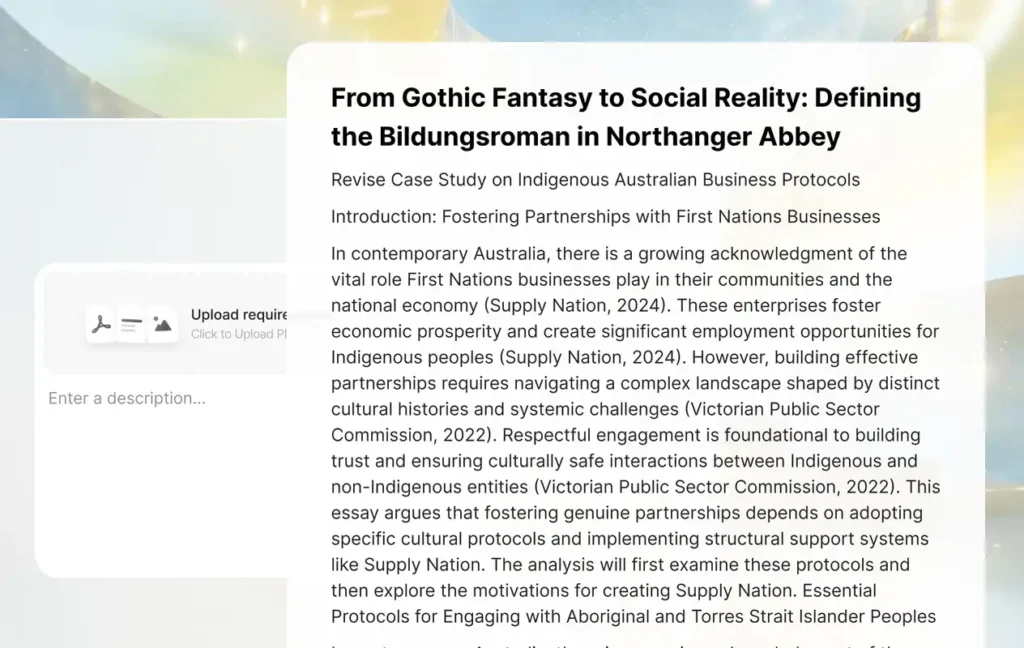
This is where Verla genuinely separates itself from generic AI writers. Students upload their assignment brief, grading rubric, lecture slides, and any supporting PDFs or reading materials. Verla’s multi-agent system then processes everything together and produces a structured, complete draft that aligns with the specific grading criteria. The output is not a loose paragraph from a chatbot.
It is a fully formatted assignment that follows the rubric’s weighting, evidence requirements, and structural expectations. For students tired of copy pasting between ChatGPT and a Word document, this single step generation is a genuine time saver.

Verla’s built in AI detection tool goes beyond the single score approach used by most competitors. Instead of returning one overall percentage, it breaks the analysis down paragraph by paragraph. Each section receives its own risk score, making it immediately clear which passages need attention.
Verla claims its detection model is calibrated to be stricter than Turnitin, GPTZero, and QuillBot’s detectors. This means if your draft passes Verla’s scanner, it should perform well against the tools your university actually uses. The scanner also provides targeted improvement suggestions alongside each flagged section, turning detection from a pass or fail metric into an actionable editing guide.

The humaniser is the third pillar of the Verla workflow. Most AI humanisation tools simply swap synonyms and restructure sentences, which often degrades the quality of the original writing. Verla takes a deeper rewriting approach. It preserves meaning, evidence, citations, and academic tone while reducing the statistical patterns that AI detectors flag.
The tool works paragraph by paragraph, giving users full control to compare the original and rewritten versions side by side before accepting changes. For academic writing, where preserving technical accuracy and citation integrity matters, this level of control is essential.
Verla supports three distinct output categories. Writing assignments export as Word documents or PDFs. Presentation assignments generate complete slide decks with speaker notes in PPT format. Coding assignments produce clean code files for Python, R, SQL, Jupyter Notebooks, and more. This multi format flexibility means students do not need separate tools for different assignment types. The online editor also allows real time revisions before export, so the final download is submission ready.

Fabricated references are one of the biggest risks when using AI for academic work. Verla addresses this directly by pulling from real academic databases and generating traceable citations. It supports six major citation styles and verifies that each reference points to an actual, published source.
For students in research heavy disciplines like nursing, psychology, law, or public health, this feature alone can justify the subscription cost. The system also allows users to upload their own reference materials, which Verla then integrates into the generated draft alongside its own sourced citations.
Verla is not a one size fits all generator. It adapts its output based on the academic discipline selected. A business case study will differ structurally and tonally from a nursing lab report or a computer science algorithm analysis. The platform covers over 50 majors across business, STEM, health sciences, humanities, and professional fields.
This discipline awareness extends to terminology, formatting conventions, and the depth of evidence expected. For students switching between courses in different departments, this adaptive intelligence saves significant manual editing time.
Verla Pricing Plans
| Plan Name | Cost (Annual) | Assignments/mo | AI Detection Words/mo | Humaniser Words/mo |
|---|---|---|---|---|
| Pro Trial | $2.99 for 7 days | 1 | 3,000 | 1,000 |
| Basic | $7.99/mo | 3 | 10,000 | 5,000 |
| Plus | $15.99/mo | 8 | 40,000 | 20,000 |
| Pro | $31.99/mo | 16 | 100,000 | 60,000 |
Verla vs ChatGPT for Academic Assignments
Many students default to ChatGPT for academic writing, but the workflows differ significantly. ChatGPT requires manual prompt engineering, produces output in a conversational format, and does not natively support rubric alignment, verified citations, AI detection, or humanisation.
Students using ChatGPT typically need to supplement it with Grammarly for editing, a separate AI detector, and a humaniser tool, resulting in a fragmented and time consuming process. Verla consolidates all of these steps into one guided academic workflow.
The asynchronous generation model also means students can submit their brief and walk away rather than sitting through a back and forth chat session. For straightforward brainstorming, ChatGPT remains excellent. But for producing submission ready academic work with proper citations and low AI detection risk, Verla offers a more structured and efficient path.
Pros and Cons
- Three tools in one unified platform.
- Paragraph level AI detection scanning.
- Verified traceable academic citations.
- Supports 50+ disciplines and 30+ types.
- Multi format export (Word, PDF, PPT, Code).
- Asynchronous generation saves real time.
- No permanent free plan available.
- Less known than established AI brands.
- No real time collaborative editing.
- Traditional plagiarism checking not included.
Verla for International and Multilingual Students
Verla supports over 20 languages, making it one of the few AI academic tools that genuinely caters to international students studying at English speaking universities. The platform can maintain academic tone and discipline specific terminology across languages, which is critical for students who think and research in one language but must submit in another.
The citation engine works across all supported languages, and the humaniser preserves meaning during cross linguistic rewrites. For the growing population of international students at universities worldwide, this multilingual capability addresses a real and often overlooked need that general purpose AI tools handle poorly.
Best Verla Alternatives
| AI Academic Assistant / AI Study Tool | Built In AI Detection + Humaniser | Assignment Types (Writing, Slides, Code) |
|---|---|---|
| Jenni AI | ❌ No built in detection or humaniser | Writing only (no slides or code export) |
| QuillBot | ✅ Both available but as separate tools | ❌ Paraphrasing only, no assignment generation |
| Paperpal | ✅ Detection available, humaniser is limited | Writing only (no slides or code export) |
| Smodin | ✅ Both available but as separate tools | Writing only (limited presentation support) |


