

Inworld Key Insights
What is Inworld?
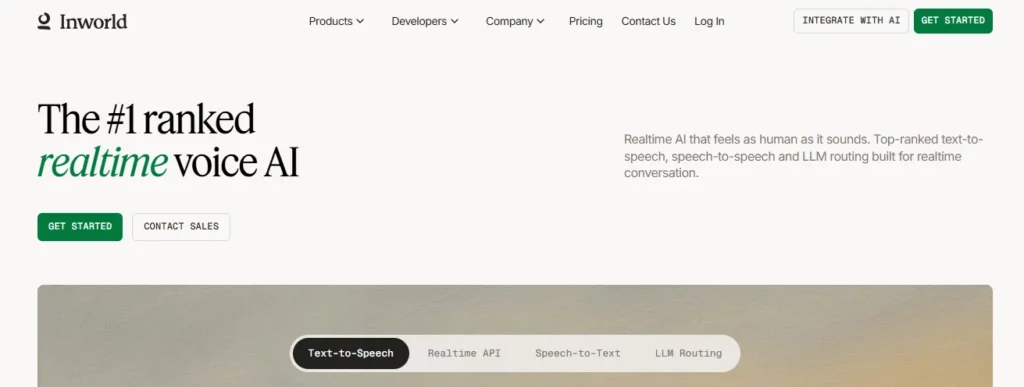
Inworld is a realtime voice AI platform built for developers and product teams who need production grade text to speech, speech to text, and LLM routing through a single API. It serves the full voice AI stack, from natural sounding TTS (ranked #1 on the Artificial Analysis Speech Arena) to streaming STT with built in voice profiling that reads emotion, accent, and intent.
Its Realtime Router connects to over 220 large language models from every major provider with zero markup, letting teams swap models via a config change rather than a migration. Inworld is purpose built for consumer scale applications, including AI companions, language tutors, and voice assistants. With SOC 2 Type II, HIPAA, and GDPR compliance baked in, the platform suits both startup prototypes and enterprise deployments processing billions of tokens daily.
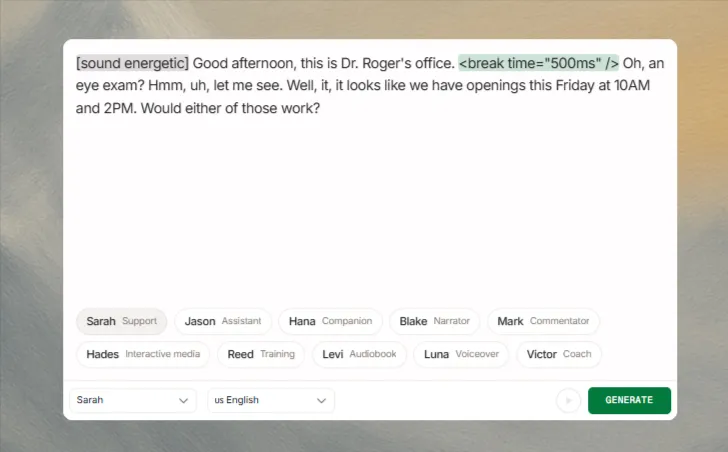
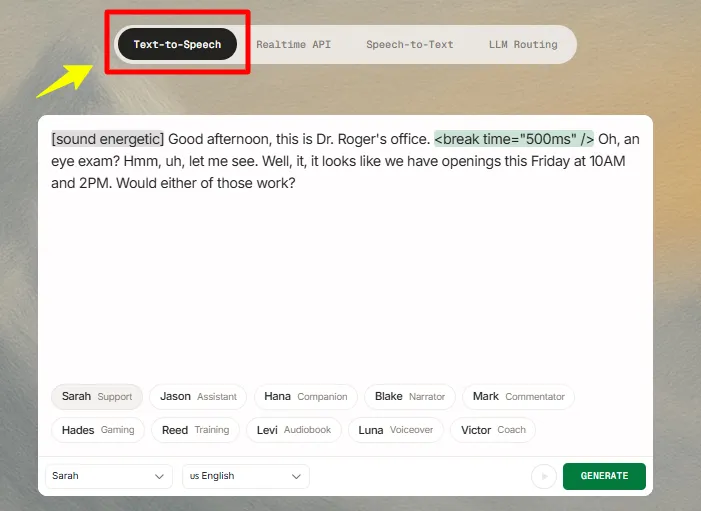
Inworld’s flagship text to speech model delivers first chunk audio in under 130 milliseconds. It supports inline steering tags and free form voice direction, meaning developers can shape delivery, emotion, and pace without post processing. A single voice works across over 100 languages, so you can expand into new markets without swapping models. At $12.50 per million characters on the Growth plan, it costs a fraction of what ElevenLabs or Google charge for comparable quality.
The Router is the control plane for your LLM spend. It connects to 220+ models, from Gemini 3 Flash to Claude Opus 4.6, and routes each request to the best model based on latency, cost, or quality. There is no added markup on third party model costs. Built in failover, A/B testing, and analytics let teams optimise spend and performance without touching application code.
Inworld’s STT goes beyond transcription. It returns five real time signals per audio chunk: emotion, age, accent, pitch, and style. Semantic and acoustic voice activity detection handles natural turn taking. Priced down to $0.10 per hour of streaming audio, it undercuts Deepgram and most major providers while adding contextual understanding that standard transcription engines simply do not offer.
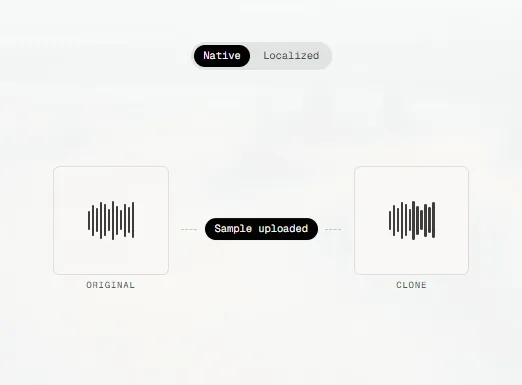
Developers can clone existing voices or design entirely new ones from text descriptions. The platform supports up to 30,000 custom voices on the Growth plan. Professional voice cloning is available as an add on for production grade fidelity. This is essential for branded AI experiences, audiobook platforms, and companion apps where voice identity matters.
A newer addition to the stack, Inworld’s realtime inference hosts optimised versions of top open source models at up to 50% below the public rate. The same team that tuned Inworld’s voice models handles the serving optimisation. Three of the ten highest volume consumer apps on the platform have already migrated their LLM workloads to this layer.
Inworld Pricing Plans
| Plan Name | Cost | TTS 2 Rate (per 1M chars) | Custom Voices | Key Limits |
|---|---|---|---|---|
| On Demand | Free | $25 | 100 | 5 concurrent requests, community support |
| Creator | $20.83/mo | $20 | 500 | $25 in credits, team management |
| Builder | $83.33/mo | $17.50 | 3,000 | $100 in credits, workspace sharing |
| Developer | $250/mo | $15 | 10,000 | $300 in credits, priority email support |
| Growth | $1,250/mo | $12.50 | 30,000 | $1,500 in credits, HIPAA add on, 500 concurrent |
| Enterprise | Custom | As low as $5 | Custom | SLA, DPA, on prem, data residency |
Why Consumer AI Teams Choose Inworld
Consumer applications face a unique economic challenge. Only about 3% of users ever pay, and those who do spend $5 to $20 per month. AI inference is the largest cost line, and it grows with every engaged session. Inworld was engineered specifically for this problem.
Its tiered pricing bends the cost curve downward as usage scales, rather than letting it climb in lockstep. Apps like OtherHalf, Bible Chat (800K+ daily users), and Talkpal (10M+ learners) already ship on the platform with cost reductions of 40% to 85% compared to previous providers.
Pros and Cons
- #1 ranked realtime TTS quality.
- Zero markup LLM routing.
- Aggressive volume discount pricing.
- 220+ model access via one API.
- Sub 130ms first chunk latency.
- Built in voice profiling on STT.
- No built in end user chat UI.
- Steeper learning curve for beginners.
- HIPAA only available on higher tiers.
- No offline or edge deployment option.
Inworld vs Traditional Voice API Stacks
Most teams building voice AI today stitch together separate providers for TTS, STT, and LLM inference. That means three billing dashboards, three sets of rate limits, and three points of failure. Inworld consolidates the entire stack into one API with unified billing.
Volume discounts apply across all layers, not per product. The Router eliminates vendor lock in for the LLM layer entirely. For teams that previously juggled ElevenLabs for TTS, Deepgram for STT, and a separate LLM gateway, Inworld replaces all three with lower unit costs and fewer integration headaches.
Best Inworld Alternatives
| Realtime Voice AI Platform | Multilingual Support | Unified Voice + LLM Stack |
|---|---|---|
| ElevenLabs | 74 languages (Eleven v3) | ❌ TTS only |
| Cartesia | 40+ languages | ❌ TTS only |
| Hume AI | 11 languages (Octave 2) | Partial (emotion focused) |
| Deepgram | 45+ languages (Nova STT only) | ❌ STT only |