


Today, I’m tackling a big question: how do we evaluate toxicity in large language models (LLMs)? These systems, like ChatGPT, are reshaping how we communicate and work, but they come with risks—like generating harmful content.
Toxicity in AI isn’t just a tech issue—it’s about trust. Whether it’s a chatbot for your business or a tool for personal use, ensuring these models don’t spread hate, misinformation, or harm is critical.
Let’s dig into why this matters, how it’s done, and what challenges we face.
🤖 Why Toxicity in LLMs Matters
Imagine a chatbot responding to a customer with a racist remark or spreading false info that misleads thousands. That’s toxicity in action—content that’s offensive, harmful, or inappropriate.
Studies show LLMs can produce hate speech, threats, or even encourage self-harm if not properly managed. A 2023 study found that assigning ChatGPT a persona, like a boxer, could boost its toxicity by up to six times, slipping into stereotypes and aggressive tones.
Here’s why this hits home:
What Counts as Toxic?
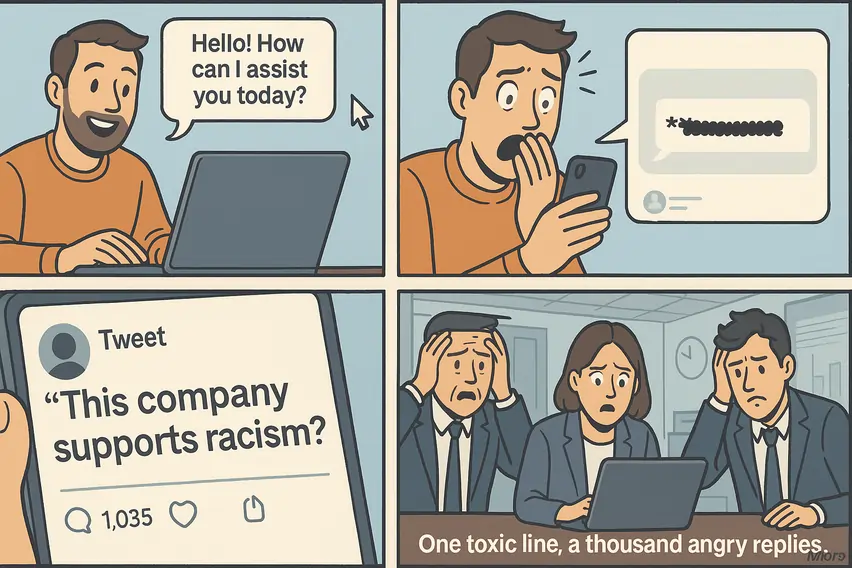
Toxicity isn’t one-size-fits-all. It spans multiple categories, each with real consequences:
Context matters too. A quote in a history lesson isn’t the same as a random insult. That’s why pinning down toxicity takes careful thought—and the right tools.
How We Measure Toxicity: The Methods
So, how do we catch toxicity before it spreads? Experts use a mix of approaches, each with its own strengths. Here’s the rundown:
1. Human Evaluation
Real people—diverse panels—review AI outputs to spot harm. They bring judgment machines can’t match, like understanding sarcasm or cultural cues.
Stat: A 2021 DeepMind report noted that annotators need mental health support after reviewing toxic material—proof this method has a human cost.
2. Automated Tools
Software like Perspective API (from Jigsaw) and Detoxify scans text fast, scoring it for toxicity.
Fact: Perspective API flagged “I’m proud to be gay” as toxic 14% of the time in early tests due to skewed data—a reminder tools aren’t perfect.
3. Benchmarks
Standardized datasets test models head-to-head:
- ToxiGen: 274,186 examples targeting implicit hate speech across 13 minority groups.
- RealToxicityPrompts: 100,000 prompts designed to trigger toxic replies.
- HarmBench: Tests 33 LLMs with 18 methods for red-teaming vulnerabilities.
4. Red-Teaming
Teams “attack” models with tricky prompts—like jailbreaks—to expose weak spots.
Example: A 2024 Allen AI study, PolygloToxicityPrompts, showed LLMs spewing toxic content in low-resource languages like Swahili, proving safety’s a global puzzle.
Here’s a quick comparison
| Method | Speed | Accuracy | Cost | Best For |
|---|---|---|---|---|
| Human Evaluation | Slow | High | High | Nuanced judgment |
| Automated Tools | Fast | Medium | Low | Large-scale checks |
| Benchmarks | Medium | High | Medium | Model comparisons |
| Red-Teaming | Medium | High | High | Vulnerability testing |
The Challenges: Why It’s Not Easy
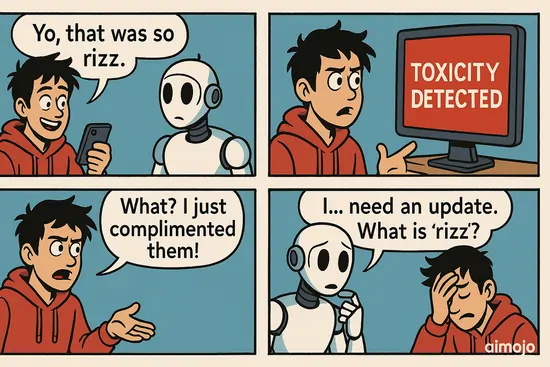
Catching toxicity sounds straightforward, but it’s a maze. Here’s why:
- Context Is King
A line like “You’re a failure” could be a joke between friends or a gut punch from a stranger. Machines struggle to tell the difference.
- Cultural Gaps
What’s rude in Japan might be fine in Brazil. A 2024 study showed toxicity scores shifting wildly across cultures—universal rules don’t cut it.
- Subjectivity Rules
One person’s “offensive” is another’s “honest.” Agreeing on what’s toxic is a battleground.
Language Keeps Changing
Slang pops up fast—think “rizz” or “yeet.” Evaluation tools lag, missing new red flags.
Ethical Angles: The Human Side
This isn’t just tech—it’s people. Here’s what’s at stake:
- Annotator Health: Reviewing hate daily takes a toll. Companies now offer counseling, but it’s a band-aid on a big wound.
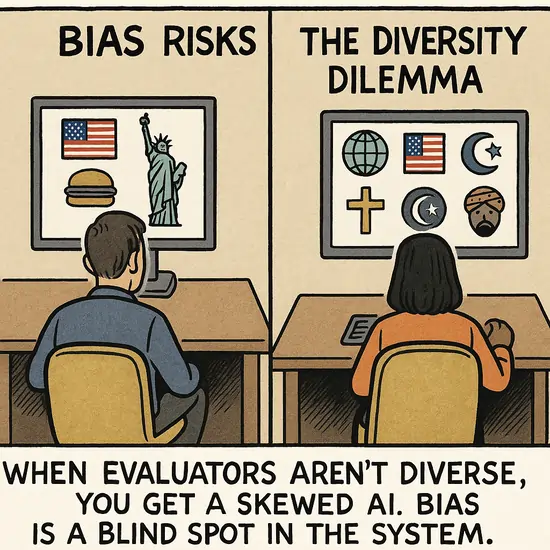
- Bias Risks: If evaluators aren’t diverse, biases sneak in—like favoring one culture’s norms.
- Free Speech Debate: Filters can silence too much. Where’s the line between safety and censorship?
Example: OpenAI’s filters block some harmless chats, sparking backlash from users who want unfiltered AI. It’s a tightrope walk.
What’s Next: The Future of AI Safety
The good news? We’re not stuck. Here’s where evaluation’s headed:
Prediction: By 2030, 80% of LLMs could self-check for toxicity in real-time, per a 2024 OpenReview paper. That’s the goalpost.
Key Datasets: Your Cheat Sheet
Here’s a snapshot of top benchmarks:
| Dataset | Size | Focus | Why It’s Useful |
|---|---|---|---|
| ToxiGen | 274,186 | Implicit hate speech | Spots subtle bias |
| RealToxicityPrompts | 100,000 | Toxic triggers | Tests safety limits |
| HarmBench | 33 LLMs tested | Red-teaming | Finds weak spots |
| CrowS-Pairs | 1,508 | Social biases | Measures fairness gaps |
These tools are the backbone of modern evaluation—know them, use them.
Recommended Readings:
Wrapping Up: AI We Can Trust
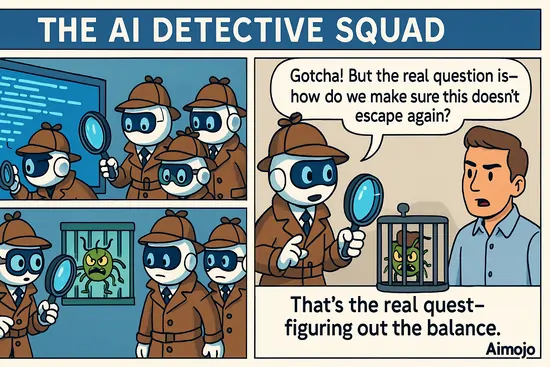
Evaluating toxicity in LLMs isn’t a side quest—it’s the key to safe, ethical AI. From human reviews to smart tools, we’re building systems that catch harm before it spreads. Challenges like culture and context won’t vanish, but with global effort and fresh ideas, we’re on the right track.
At Aimojo.io, I’ll keep tracking this space—because AI’s future matters to all of us.
What do you think: how should we balance safety and freedom in AI? Drop your thoughts below!


 BONUS: Get our $200 “AI Mastery Toolkit” FREE when you sign up!