

AI în educație nu schimbă doar sălile de clasă - ci's completely reshaping how we think about learning and teaching in 2026. The numbers tell an extraordinary story: the global AI education market stands at $5.47 billion today and will surge to an incredible $112.30 billion by 2034, growing at 36.02% annually.
Dar ce's behind this remarkable growth? How exactly are students using AI tools when 89% admit to using ChatGPT for homework? And why are graduation rates improving by 12% at universities using these technologies?
This article breaks down the most curent AI education statistics for 2026, showing you precisely how these tools are creating better outcomes for students, saving time for teachers, and opening new possibilities that were unimaginable just a few years ago.
Discover what this AI boom means for the future of education-and why it matters to everyone involved in learning.
🤖The Booming AI in Education Market
AI in education market is experiencing explosive growth that shows no signs of slowing down. In 2024, the global market is valued at approximately $5.47 billion and is projected to reach a staggering $112.30 billion by 2034, growing at a remarkable CAGR of 36.02%.
This growth trajectory is nothing short of phenomenal:
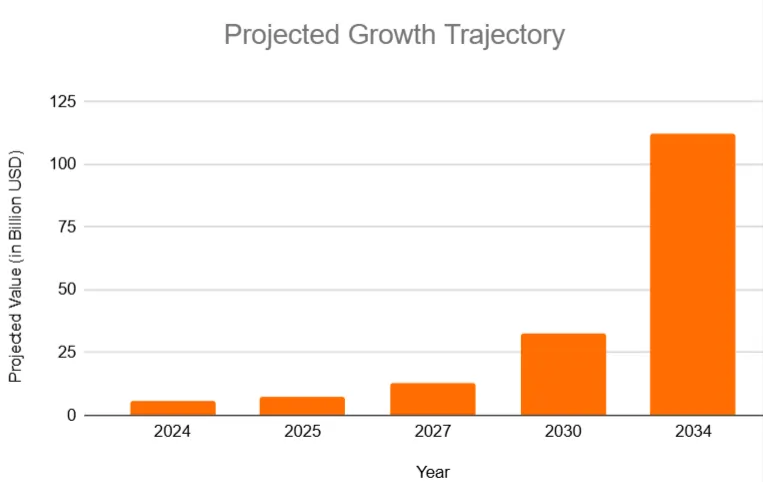
The U.S. market specifically is growing even faster, with a CAGR of 36.21% from 2024 to 2034, expected to reach $32.64 billion by 2034.
📈 What's Driving This Growth?
Several factors are fuelling this remarkable expansion:
As Cecilia Marshall, director of external partnerships at Partnership for Education Advancement, notes: “AI could make 2026 the year institutions – including those without massive IT teams or large endowments – unlock the value of their data to enhance both institutional improvements and student success.”
📝 How Students Are Using AI Instrumente
The adoption of AI tools among students has skyrocketed, with these technologies becoming an integral part of their learning journey.
Student Adoption Rates
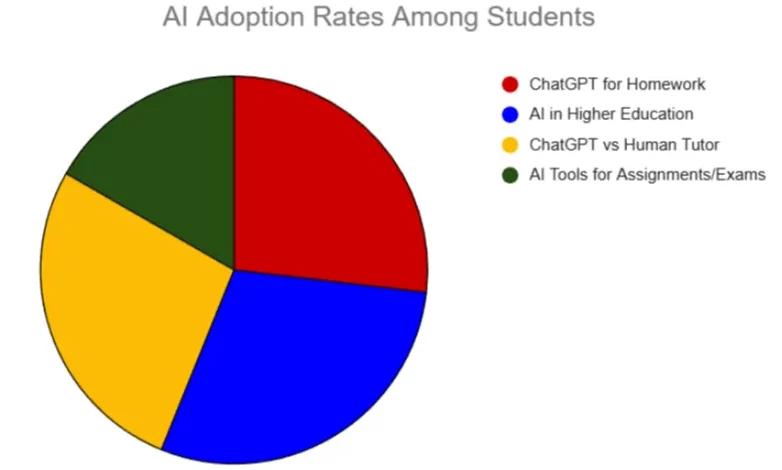
These figures demonstrate that AI has already become deeply embedded in students' academic routines, transforming how they approach learning and complete assignments.
Impact on Student Engagement and Performance
Integrarea AI tools in education isn't just about convenience-it's delivering measurable improvements in student outcomes:
How Educators Are Embracing AI
Teachers and professors are increasingly incorporating AI into their pedagogical approaches, using these tools to enhance their teaching methods and streamline administrative tasks.
Teacher Adoption Rates
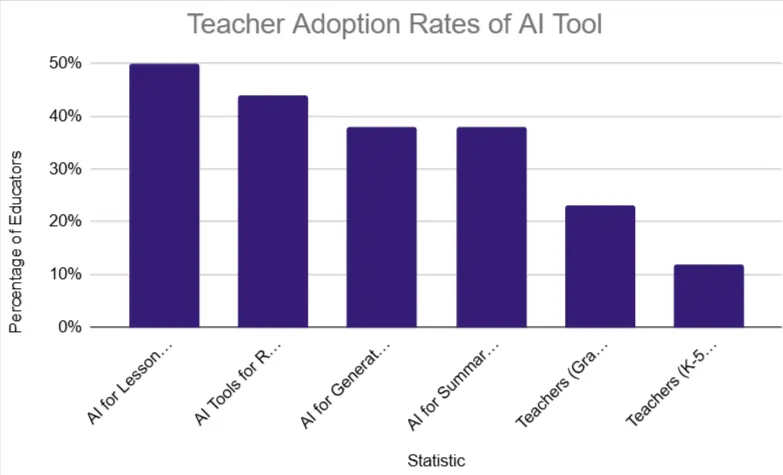
The adoption rates vary significantly by grade level:
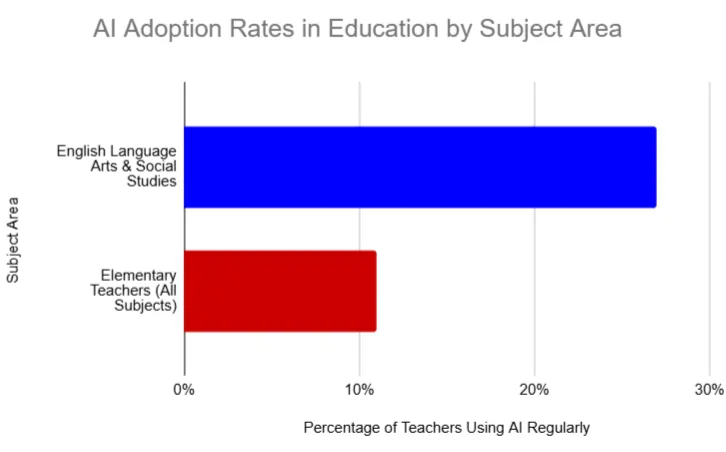
Subject matter also influences adoption rates:
Benefits for Educators
AI tools are delivering significant time-saving benefits for teachers:
- Gradescope, an AI grading tool, has been shown to reduce marking time by at least 70%
- AI-powered analytics help teachers identify at-risk students earlier, enabling more timely interventions
- Automated administrative tasks free up more time for direct student interaction and personalised teaching
🎓 Three Key Areas Where AI is Transforming Education in 2026
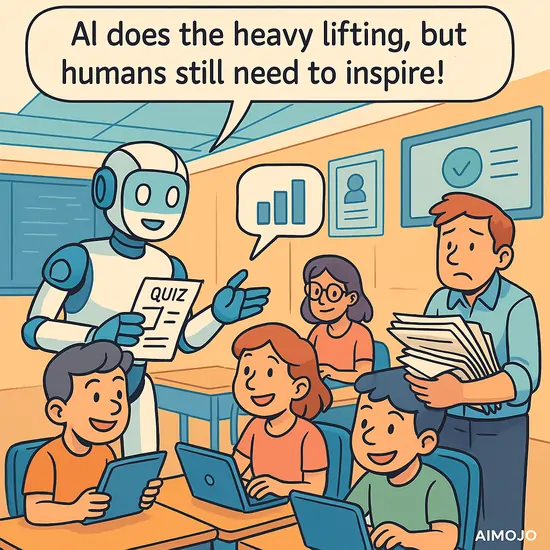
According to education experts, AI will have the most significant impact in three critical areas in 2026:
#1 Teaching and Learning
AI is fundamentally changing the teaching and learning experience through:
As Rachael Mohammed from IBM notes: “From creating content like quizzes, to matching students with education courses that meet their needs, to grading huge volumes of work, enhancing coaching and guidance for students, and even collecting, analyzing and acting on feedback from learners, there is so much value to reap from AI.”
#2 AI Literacy and Career Readiness
Educational institutions are increasingly focusing on preparing students for an AI-driven workforce through:
#3 Operations and Decision-Making
AI is streamlining administrative processes and enhancing institutional decision-making through:
As Joe Dery from Western Governors University notes: “In 2026, the AI bot boom will give way to ‘decision intelligence' emerging as higher education's true transformative force. By harmonizing AI, simulation, and optimization, DI will enable more and more institutions to shift from reactive student support to a symphony of proactive and precise strategies that will significantly increase positive student outcomes.”
🖥️ Popular AI Applications in Education
Câteva AI applications are gaining significant traction in educational settings:
AI Tutoring and Learning Assistants
AI tutors like Doctrina AI are becoming increasingly sophisticated, offering personalised learning experiences that adapt to individual student needs. These systems can:
- Answer academic queries 24/7
- Generate practice tests tailored to student knowledge gaps
- Provide immediate feedback on assignments
- Track progress and recommend personalised study materials
Doctrina AI, for example, offers a comprehensive suite of tools including class notes summarisation, essay generation, exam creation, and a 24/7 AI chat feature for academic assistance.
Automated Grading and Assessment
AI-powered grading systems are reducing the administrative burden on teachers while providing more consistent and objective assessments:
- Gradescope reduces grading time by at least 70%
- AI systems can grade multiple-choice exams, short answers, and even handwritten essays
- These tools provide detailed analytics on student performance, enabling targeted interventions
Content Generation and Summarisation
AI tools are helping both students and educators create and process educational content more efficiently:
- 38% of both teachers and students utilizare AI for summarising or synthesising information
- 33% of students utilizare AI to generate study guides or materials
- AI can create personalised learning resources based on individual learning styles and preferences
📈 Predictive Analytics for Student Success
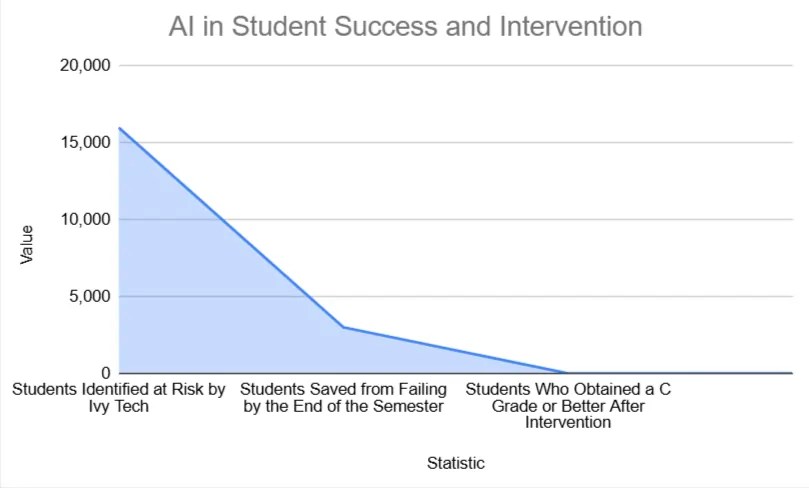
Educational institutions are leveraging AI to identify at-risk students and implement timely interventions:
- Ivy Tech Community College used AI to identify 16,000 students at risk of failing within the first two weeks of the semester
- By the end of the semester, 3,000 students were saved from failing, with 98% obtaining a C grade or better
- 37% of institutions reported increased student satisfaction through AI-assisted academic advising
⚖️ Challenges and Ethical Considerations
Despite its tremendous potential, the integration of AI in education comes with significant challenges that must be addressed:
Academic Integrity Concerns
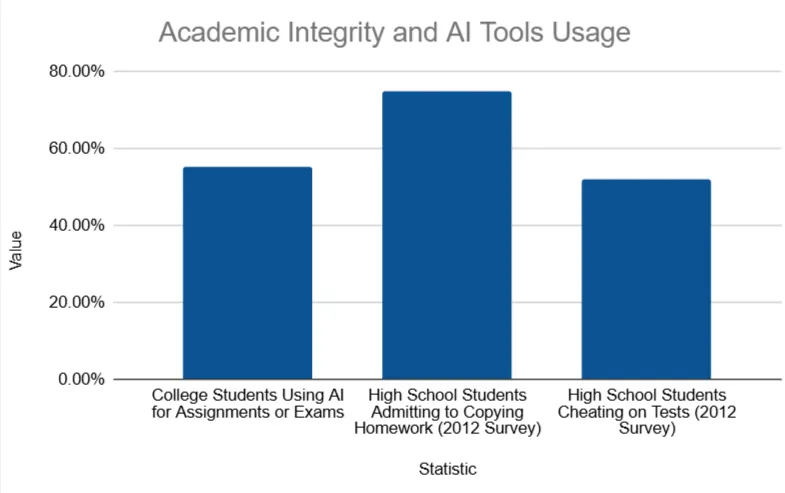
The widespread use of AI tools by students raises important questions about academic integrity:
It's worth noting that cheating in education predates AI technology. A 2012 survey found that 75% of high school students admitted to copying someone else's homework, and 52% reported cheating on a test within the previous year.
Equity and Access Issues
Not all students have equal access to AI tools and technologies:
Confidențialitate și securitate a datelor
The collection and analysis of student data raise important privacy concerns:
The Human Element in Education
In timp ce AI offers numerous benefits, the human aspects of education remain irreplaceable:
🤖 The Future of AI in Education
Looking ahead, several trends are expected to shape the future of AI in education:
AI-Powered Learning Analytics
Advanced analytics will provide deeper insights into student learning patterns and needs:
Integration of AR/VR with AI
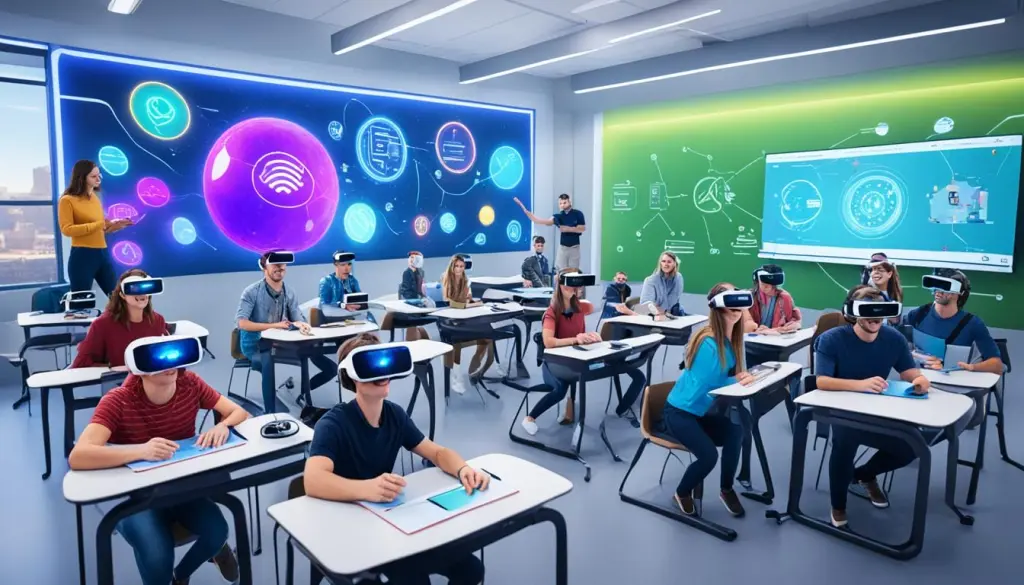
Combinarea inteligență artificială with augmented and virtual reality will create immersive learning experiences:
Etic AI Frameworks for Education
The development of ethical guidelines specifically for educational AI applications will become increasingly important:
Personalised Learning at Scale
AI will enable truly personalised education at a previously impossible scale:
Lecturi recomandate:
Concluzie
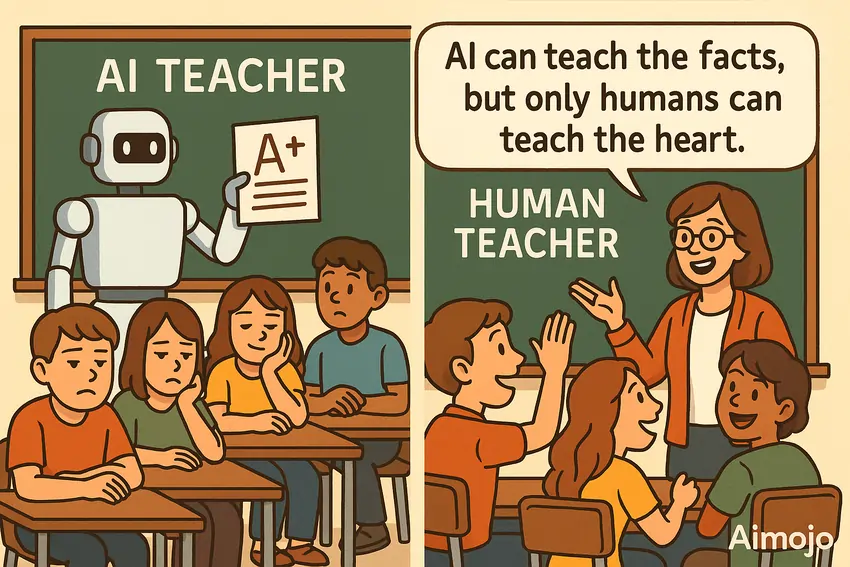
Statisticile oferă o imagine clară: AI is no longer just a futuristic concept in education-it's aici, și asta's making a profound impact. With the global AI in education market projected to reach $112.30 billion by 2034, we're witnessing the early stages of a fundamental transformation in how we teach and learn.
As we move through 2026 and beyond, the successful integration of AI in education will depend on balancing inovație tehnologică with human wisdom, ensuring equitable access, addressing ethical concerns, and keeping the focus on enhancing-rather than replacing-the human elements that make education meaningful.
For students, educators, and institutions willing to embrace these changes thoughtfully, AI offers unprecedented opportunities to make education more personalised, effective, and accessible than ever before.